


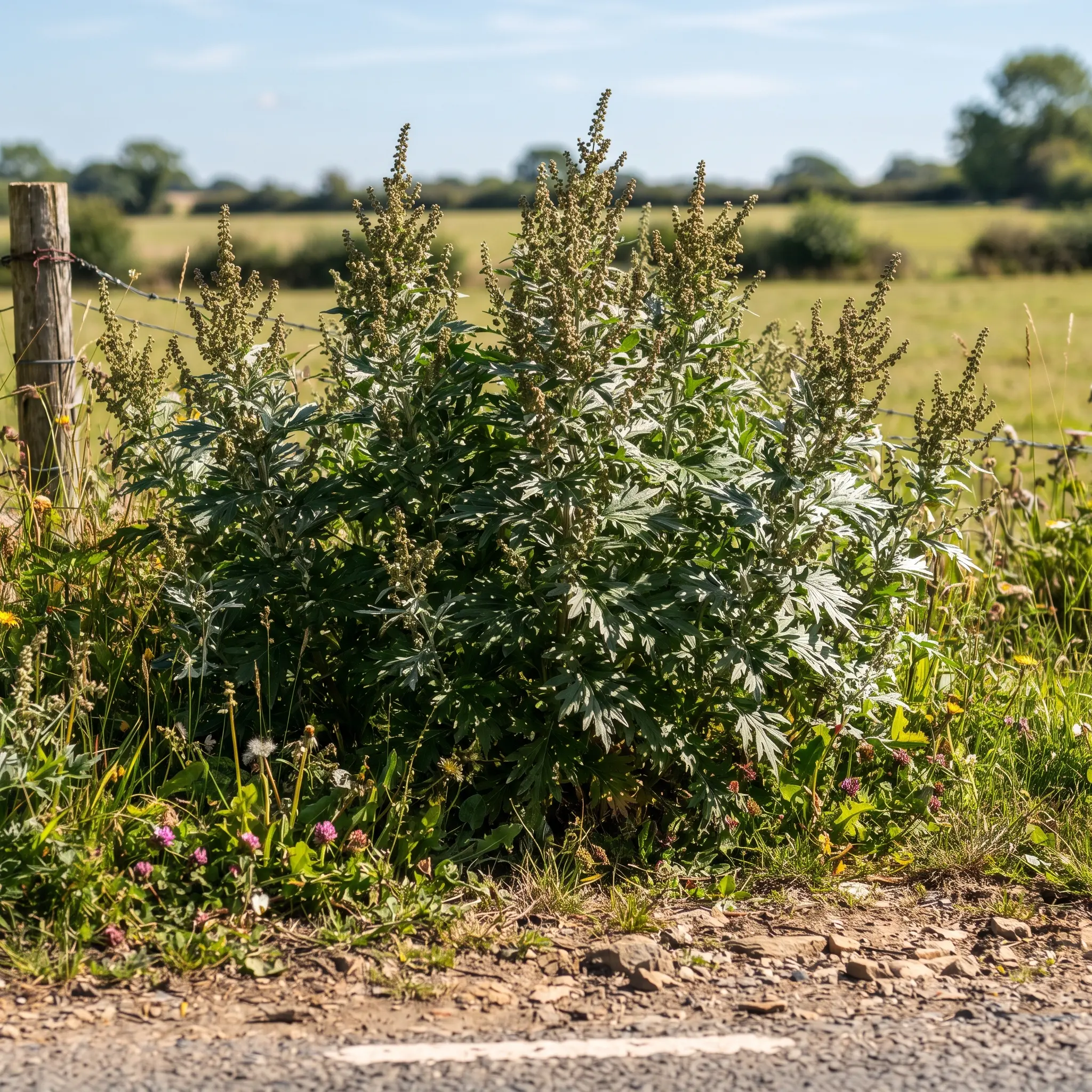
Traditionally, mugwort has been used primarily as a digestive bitter and dream-supportive herb, especially when sluggish digestion or a desire for more vivid, memorable dreams is the focus. It is commonly prepared as a tea, tincture, or dried herb for smoke cleansing and dream pillows.
Common Name: Mugwort Latin Name: Artemisia vulgaris Alternate Names: Dream herb, St. John’s plant
- Parts used: leaves and flowering tops
- Primary properties: bitter digestive, emmenagogue, nervine
- Common preparations: tea, tincture, dried herb (smoke/pillow use)
- Best known for: supporting digestion and encouraging vivid, memorable dreams
What It Helps With
Health conditions this herb is commonly used to support.
Related Buying Guides
Featured Recipes
Explore and try simple ways to prepare and use this herb at home.
Active Compounds
The tiny plant chemistry doing all the heavy lifting.
Key Herbal Properties
What this herb is known for, herbally speaking.




Herbal Synergies
Other herbs that pair especially well with this one — together, their combined properties work better than either herb does alone.
Health Conditions Mugwort Helps With
- Sluggish digestion — As a classic bitter herb, mugwort has traditionally been used to stimulate digestive juices and ease bloating or gas.
- Vivid dreaming and dream recall — Mugwort’s long-standing reputation as the “dream herb” comes from traditional use aimed at encouraging more vivid, memorable dreams.
- Menstrual irregularities and discomfort — Traditionally used to help support a regular cycle and ease menstrual cramping.
- Restlessness and mild anxiety — Used traditionally as a gentle nervine to calm the mind, particularly around bedtime.
- Mild pain (via moxibustion) — In Traditional Chinese Medicine, dried mugwort is burned near acupuncture points in moxibustion, a practice traditionally used to ease pain and support circulation.
Compounds
- Volatile oils (including thujone, camphor, and cineole) — Give mugwort its characteristic aroma and are thought to underlie its traditional effects on the nervous system and dreaming.
- Flavonoids (including quercetin and luteolin) — Contribute general antioxidant activity to the plant’s overall profile.
- Sesquiterpene lactones — Contribute to mugwort’s intense bitterness and its traditional digestive-stimulating action.
- Coumarins — Present in smaller amounts and generally understood to contribute mild traditional actions alongside the plant’s other constituents.
Properties
- Bitter digestive — Mugwort’s strong bitterness is central to its traditional use for stimulating digestive secretions before or after meals.
- Emmenagogue — Traditionally used to encourage and regulate menstrual flow, which is also the basis for its pregnancy caution.
- Nervine — Used traditionally in smaller amounts to calm the mind and support relaxation, particularly before sleep.
- Oneirogenic (dream-influencing) — A traditional property unique to mugwort’s folk reputation, describing its long association with vivid, memorable dreaming.
Recipes Using Mugwort
- Digestive bitters — Mugwort is a traditional ingredient in bitter blends taken before meals to support digestion.
- Dream tea — Steeped alone or blended with other calming herbs and taken before bed as part of traditional dreamwork practices.
- Dream pillows and smoke bundles — Dried mugwort is commonly tucked into small pillows or bundled for traditional smoke cleansing rituals.
Products Featuring Mugwort
- Dried loose herb — The most traditional and versatile form, used for tea, dream pillows, or smoke bundles.
- Tincture — Offers a more concentrated dose for those focused on its digestive or nervine properties, though it should be dosed carefully due to its thujone content.
- Tea bags/blends — A convenient, pre-measured option often combined with other calming or digestive herbs.
Synergies
- Chamomile — Frequently paired with mugwort in bedtime and dream teas for extra calming support.
- Lavender — Combined in dreamwork blends, adding a gentler floral note alongside mugwort’s more intense bitterness.
- Ginger — Paired in digestive bitters formulas, balancing mugwort’s bitterness with ginger’s own traditional digestive support.
- Blue lotus — Traditionally combined in dream-focused blends, both carrying long folk reputations tied to dreaming and relaxation.
Safety & Precautions
Mugwort has a few real, specific cautions that are worth taking seriously, even though it’s generally well-tolerated in typical culinary or tea-level amounts.
Mugwort is not recommended during pregnancy, since its traditional use as an emmenagogue includes a long history as an abortifacient tied to its ability to stimulate uterine activity. It’s also generally advised against while breastfeeding, due to a lack of reliable safety data. Mugwort contains thujone, which can be neurotoxic in excess, so concentrated preparations like tinctures or essential oil should never be taken at high doses or for extended periods, and mugwort is not intended for regular, long-term tonic use. People with allergies to plants in the daisy or ragweed family (Asteraceae) should use caution, and mugwort pollen is a common trigger for seasonal allergic rhinitis and asthma, so those with these conditions should be cautious with larger amounts. Anyone with a history of seizures should also use caution, since some related Artemisia species have shown effects on brain activity. There is no well-established safety data on mugwort use in pets, and it should be kept out of reach of animals, particularly cats.
Q&A
Does mugwort taste bitter?
Yes, mugwort has a notably strong, intensely bitter and slightly aromatic flavor, often described as similar to its relative wormwood but somewhat milder. It’s not a pleasant sipping tea on its own for most people.
Because of this, mugwort tea is often blended with milder, more pleasant-tasting herbs like chamomile or lemon balm, both to soften the flavor and to complement its traditional calming or digestive use.
Can mugwort be used daily?
Mugwort is not generally recommended for regular, indefinite daily use due to its thujone content, and is traditionally used for shorter stretches — around a digestive need, a specific point in the menstrual cycle, or an occasional dream-focused evening.
If using mugwort regularly, it’s best to keep to lower doses, take breaks, and avoid combining it with other thujone-containing herbs like wormwood to prevent cumulative buildup.
How is mugwort used for dreaming?
Mugwort is traditionally taken as a mild tea before bed, or used more indirectly by placing dried mugwort in a small pillow or sachet near where you sleep, both approaches rooted in centuries of folk use aimed at encouraging vivid, memorable dreams.
It’s worth knowing that this use is based on tradition and anecdotal reports rather than robust clinical research, so results and experiences vary quite a bit from person to person.
Can mugwort be smoked?
Yes, dried mugwort is traditionally smoked or burned in bundles as part of smoke cleansing rituals, and some people also smoke it recreationally for its mild, relaxing effects.
As with any smoked plant material, inhaling smoke carries its own respiratory considerations separate from mugwort’s herbal properties specifically, so this route of use is worth approaching thoughtfully, especially for anyone with asthma or respiratory sensitivity.
Is mugwort safe for pets, especially cats?
No, mugwort is not established as safe for pets, and it’s best to keep dried mugwort, tinctures, and mugwort-containing products safely out of reach of cats and other animals.
If you suspect a pet has ingested mugwort, it’s best to contact a veterinarian promptly rather than wait to see if symptoms appear.
References
- Plants of the World Online: Artemisia vulgaris
- PubMed: Scientific Literature on Artemisia vulgaris
- National Library of Medicine: Chemical Constituents from Artemisia vulgaris
- Wikipedia: Artemisia vulgaris
- ScienceDirect Topics: Artemisia vulgaris Research
- Memorial Sloan Kettering Cancer Center: About Herbs — Mugwort
- PubMed: Mugwort Thujone Research
- National Center for Complementary and Integrative Health: Mugwort
This information is for educational purposes only and is not intended as medical advice. Consult a qualified healthcare professional before using any herb, especially if pregnant, breastfeeding, taking medications, or managing a health condition.