


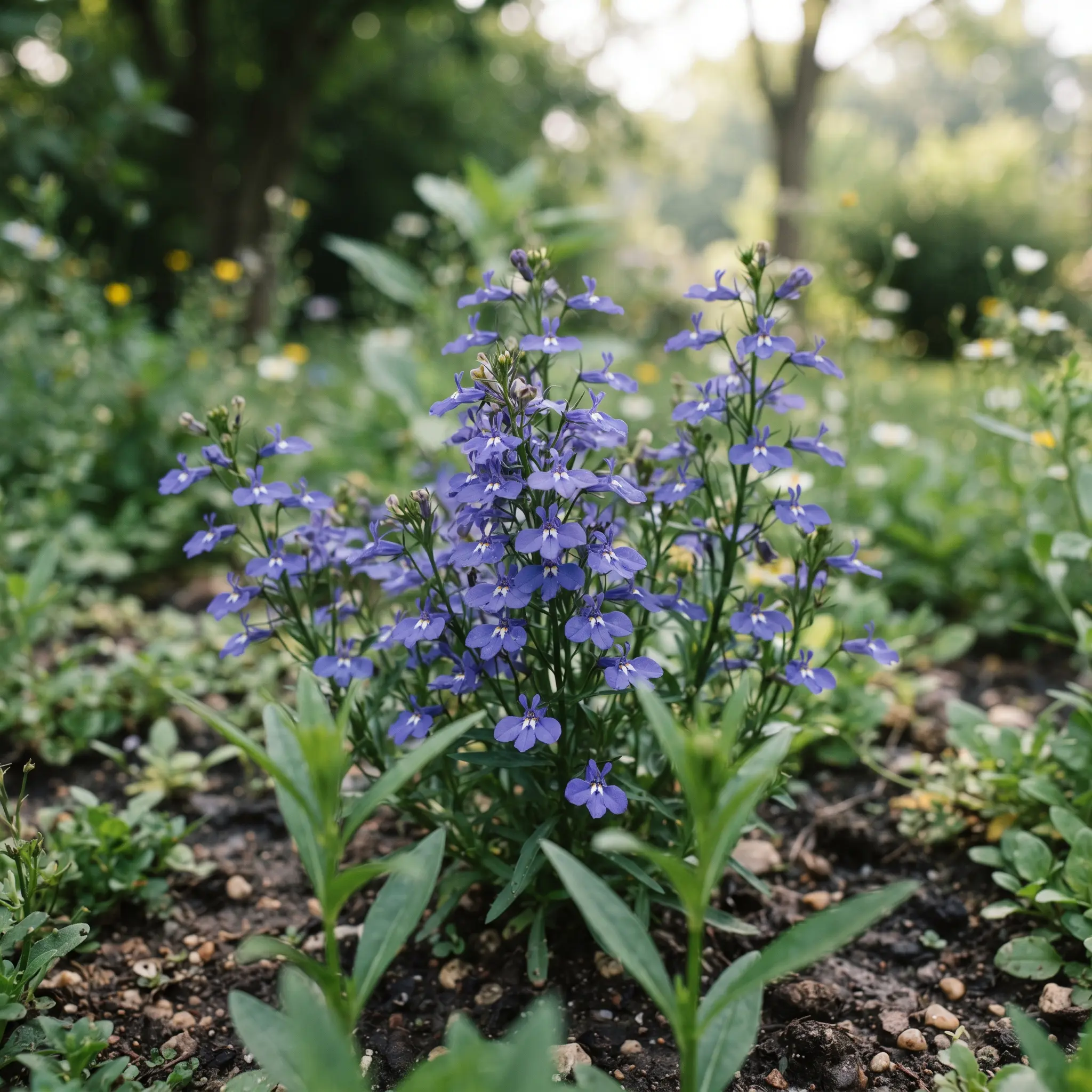
Traditionally, lobelia has been used primarily to support respiratory function, especially when dealing with asthma-related tightness or stubborn, spasmodic coughing. It is commonly prepared as a tincture, in very small measured doses, though its potency means it requires careful, informed use.
Common Name: Lobelia Latin Name: Lobelia inflata Alternate Names: Indian Tobacco
- Parts used: aerial parts (leaf and flower)
- Primary properties: antispasmodic, expectorant, respiratory stimulant
- Common preparations: tincture, small-dose extract
- Best known for: easing respiratory spasm and tightness
What It Helps With
Health conditions this herb is commonly used to support.
Related Buying Guides
Featured Recipes
Explore and try simple ways to prepare and use this herb at home.
Active Compounds
The tiny plant chemistry doing all the heavy lifting.
Key Herbal Properties
What this herb is known for, herbally speaking.




Herbal Synergies
Other herbs that pair especially well with this one — together, their combined properties work better than either herb does alone.
Health Conditions Lobelia Helps With
- Asthma-Related Tightness — Lobelia has a traditional history of use, in very small doses, for supporting easier breathing during spasmodic chest tightness.
- Spasmodic Cough — Its antispasmodic quality has traditionally been used to help ease coughing tied to airway spasm.
- Chest Congestion — Traditionally included in small amounts within historical respiratory formulas for its expectorant reputation.
- Smoking Cessation Support (Historical) — Lobelia has a documented history of traditional use in smoking cessation products, though this use has become far less common due to safety and regulatory considerations.
Compounds
- Lobeline — the primary alkaloid in lobelia, considered central to its traditional respiratory-stimulating and antispasmodic reputation, but also the compound responsible for most of its safety concerns and its emetic effect at higher doses.
- Additional alkaloids — a related group of compounds present in smaller amounts that contribute to lobelia’s overall traditional profile and its narrow margin of safety.
Properties
- Antispasmodic — lobelia’s defining traditional property, used to ease spasm in the respiratory tract.
- Expectorant — traditionally used in small doses to help loosen chest congestion.
- Respiratory stimulant — traditionally associated with supporting breathing during acute tightness, though this same action is closely tied to its risk profile at higher doses.
- Emetic (at higher doses) — larger amounts of lobelia reliably induce vomiting, which is part of why dosing precision matters so much with this herb.
Recipes Using Lobelia
- Lobelia Tincture (Micro-Dose) — used traditionally in very small, carefully measured drop doses, often combined with other respiratory herbs rather than used alone.
- Historical Respiratory Formulas — lobelia was traditionally included as a minor component within broader herbal blends for asthma and spasmodic cough, always in small proportion to other herbs.
Products Featuring Lobelia
- Tincture — the primary traditional form, used specifically because it allows for precise, small-drop dosing that would be difficult to achieve with tea or capsules.
- Combination Respiratory Formulas — lobelia is more commonly found as a small component within professionally formulated blends rather than sold as a standalone product for home use.
Synergies
- Cayenne — traditionally paired with lobelia in some formulas, where cayenne’s warming quality was thought to complement lobelia’s antispasmodic action.
- Thyme — combined in small amounts within traditional respiratory blends alongside lobelia’s antispasmodic reputation.
- Elecampane — paired for complementary expectorant action in more comprehensive traditional respiratory formulas.
Safety & Precautions
Lobelia is a genuinely potent herb with a narrow margin between a traditional therapeutic micro-dose and an amount that causes nausea, vomiting, or more serious effects, so it should only be used under the guidance of an experienced herbalist or healthcare provider rather than self-dosed at home. It is not appropriate for self-directed daily use. Lobelia should be avoided by anyone with heart conditions, low blood pressure, or respiratory failure, as its stimulating action on breathing and circulation can be significant. It should never be combined with other stimulant or sedative substances without professional guidance, given its complex effects on the nervous and respiratory systems. Lobelia is not recommended during pregnancy or breastfeeding under any circumstances, and it should never be given to children. Lobelia is toxic to pets and should never be given to or left accessible to any animal.
Q&A
Does lobelia taste bitter?
Yes, lobelia has an intensely acrid, unpleasant, somewhat tobacco-like bitterness, and this strong taste is actually one of the built-in safeguards against accidental overuse, since it’s genuinely difficult to take more than intended. This is different from many other bitter herbs, where the bitterness is mild enough to be masked.
Given both the taste and the safety considerations, lobelia isn’t a herb people typically take for pleasure or as a beverage in any form.
Can lobelia be used daily?
No, lobelia is not appropriate for ongoing, self-directed daily use. Traditional use involves small, occasional doses under the guidance of an experienced practitioner, specifically during acute respiratory tightness, rather than as a regular daily herb.
Anyone considering lobelia for a respiratory concern should work with a qualified herbalist or healthcare provider who can guide appropriate, safe use rather than attempting to determine dosing independently.
Why is lobelia sometimes called “pukeweed”?
Lobelia earned this common nickname because taking more than a very small amount reliably induces vomiting, a direct effect of its primary alkaloid, lobeline, at higher doses. This effect is well-documented and is part of why the herb has such a narrow safety margin.
This nickname is actually a useful, practical reminder of how potent and dose-sensitive this particular herb is compared to gentler traditional remedies.
Is lobelia legal and available to purchase?
Lobelia’s regulatory status varies by country and region; some places have specific restrictions given its potency and history of misuse in certain contexts, while others allow its sale as an herbal product. Where available, it’s still an herb that calls for professional guidance rather than casual self-use.
Checking current regulations in your specific location, and consulting a knowledgeable herbalist rather than relying solely on product availability, is the more responsible approach to this herb.
How should lobelia tincture be stored?
Lobelia tincture should be stored in a dark glass bottle, clearly labeled, and kept well out of reach of children and pets given its potency. Storing it in a cool location away from direct light helps preserve its stability for several years.
Given the seriousness of accidental ingestion, many practitioners recommend storing lobelia tincture separately from other, gentler household tinctures to reduce the risk of mix-ups.
References
This information is for educational purposes only and is not intended as medical advice. Consult a qualified healthcare professional before using any herb, especially if pregnant, breastfeeding, taking medications, or managing a health condition.