
Holy Basil (Tulsi): Traditional Uses, Actions, and Herbal Preparations
Holy basil—often called Tulsi—has become a familiar ally in contemporary Western herbalism, even though its deep roots lie in South Asian traditions. Western herbalists tend to approach tulsi as a steadying, aromatic plant that supports adaptation to everyday stress, digestive comfort, and gentle immune resilience. It’s the kind of herb you reach for when life feels a bit frayed at the edges—calming without sedation, uplifting without stimulation.
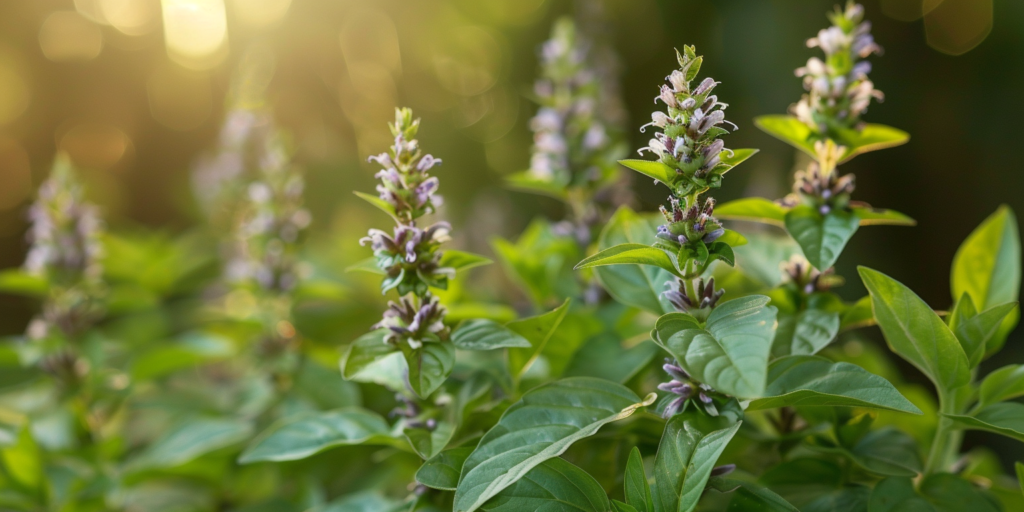
Latin Name, Common Names & Uses
Latin (botanical) name: Ocimum tenuiflorum (syn. Ocimum sanctum)
Plant family: Lamiaceae (mint family)
Common names: Holy basil, Tulsi, Sacred basil
Traditional use overview
In Western herbal practice, holy basil is used primarily as a gentle adaptogenic tonic, aromatic digestive, and mild nervine. It is often taken daily as a tea or tincture to support balanced stress response, respiratory comfort during seasonal challenges, and overall vitality.
Herbal Actions
Adaptogenic (traditional): Supports the body’s ability to respond to everyday physical and emotional stress.
Nervine: Gently supports nervous system tone without being sedating.
Carminative: Helps ease gas and digestive discomfort.
Diaphoretic (mild): Traditionally used to encourage healthy perspiration during acute imbalances.
Antioxidant (evidence-informed): Supports cellular protection from oxidative stress.
Practical Uses
Holy basil is commonly incorporated into daily routines rather than short-term protocols. Western herbalists often use it as a long-term tonic tea, blended with other nervines or adaptogenic herbs, or as a standalone tincture during periods of sustained stress or fatigue.
Product Forms
Loose dried leaf: For teas and infusions.
Tea bags: Convenient daily use.
Alcohol tincture: Concentrated liquid extract, often 1:2–1:5 ratios.
Glycerite: Alcohol-free extract, milder but suitable for sensitive individuals.
Capsules or tablets: Dried powdered leaf.
Standardized extracts: Less common in traditional Western practice, more typical in supplements.
Four Traditional Herbal Recipes
Tulsi Daily Infusion:
1–2 tsp dried leaf steeped in hot water for 10–15 minutes; taken once or twice daily.Tulsi–Lemon Balm Tea:
Equal parts tulsi and lemon balm for nervous system support and gentle mood balance.Tulsi Honey Syrup:
Strong tulsi infusion combined 1:1 with honey for seasonal throat comfort.Tulsi Tincture Blend:
Tulsi combined with milky oats and skullcap as a long-term nervine tonic.
Parts Used
Leaves
Flowering tops (occasionally)
Usage Forms & Shelf Life
Internal use: Tea, tincture, glycerite, capsules
External use: Rare in Western practice
Shelf life:
Dried herb: ~1 year
Tincture: 3–5 years
Glycerite: 1–2 years
Safety & Considerations and Dosage Guidelines
Holy basil is generally considered gentle and suitable for regular use in moderate amounts. Typical Western herbal doses include 1–2 cups of tea daily or 2–4 mL tincture up to twice daily. Long-term use is common in tonic formulas.
Side Effects & Contraindications
Reported side effects are uncommon and usually mild, such as digestive sensitivity in very large doses. Caution is traditionally advised during pregnancy due to insufficient safety data. Individuals on medications affecting blood sugar or clotting should consult a qualified practitioner before regular use, as noted by the National Center for Complementary and Integrative Health.
Active Constituents
Phenolic compounds (eugenol, rosmarinic acid):
Traditionally associated with aromatic and antioxidant activity; best extracted via alcohol or hot water.
Rosmarinic acid content in dried leaf is commonly reported around 0.1–0.3% by weight in analytical studies PubMed Central.Triterpenoids (ursolic acid):
Linked to tonic and antioxidant properties; alcohol extraction preferred.Volatile oils (eugenol, methyl eugenol):
Contribute to aroma and traditional digestive use; present at low concentrations (<1% essential oil yield).
How It Works
From a traditional Western perspective, holy basil works by gently supporting nervous system tone while offering aromatic digestive and antioxidant support. Modern research suggests its polyphenols and triterpenoids contribute to measurable antioxidant capacity, aligning with its long-standing tonic reputation National Institutes of Health Office of Dietary Supplements.
Processing Cautions
Holy basil should be dried promptly after harvest and protected from heat and light to preserve volatile oils. Excessive heat during processing can noticeably reduce aroma and flavor.
Quick Herb Overview
Botanical family: Lamiaceae
Parts used: Leaf, flowering top
Energetics (traditional): Warming, gently drying
Taste profile: Aromatic, slightly spicy, mildly bitter
Herb Identification
Visual traits: Soft green to purple-tinged leaves, square stems, small purple flowers.
Growth habit: Upright annual or short-lived perennial.
Look-alikes: Other Ocimum species; culinary basil is safe but lacks the same aromatic profile.
Selecting Quality Herb
Choose vibrantly colored leaves with a strong aroma. Faded color or weak scent often indicates age or improper storage.
Natural Growing Areas
Native to South Asia, holy basil is now widely cultivated worldwide in gardens and small farms.
Growing Tips
Tulsi prefers full sun, warm temperatures, and well-drained soil. Regular harvesting encourages bushy growth and higher leaf yield.
Frequently Asked Questions
Is holy basil the same as culinary basil?
They are related but not identical. Holy basil has a stronger aroma and different traditional uses.
Can holy basil be taken daily?
Yes, it is commonly used as a daily tonic in moderate amounts.
Does holy basil act as a stimulant?
No, it is generally considered balancing rather than stimulating.
Is tulsi considered an adaptogen in Western herbalism?
Many Western herbalists classify it as a gentle adaptogenic tonic based on traditional use and emerging research.
What is the best form for beginners?
Tea is often recommended as the simplest and most approachable form.
References cited using inline clickable source names
Traditional use and safety overview National Center for Complementary and Integrative Health
Constituent analysis and antioxidant data PubMed Central
Dietary supplement context National Institutes of Health Office of Dietary Supplements
This article is for educational purposes only and does not provide medical advice, diagnosis, or treatment.