


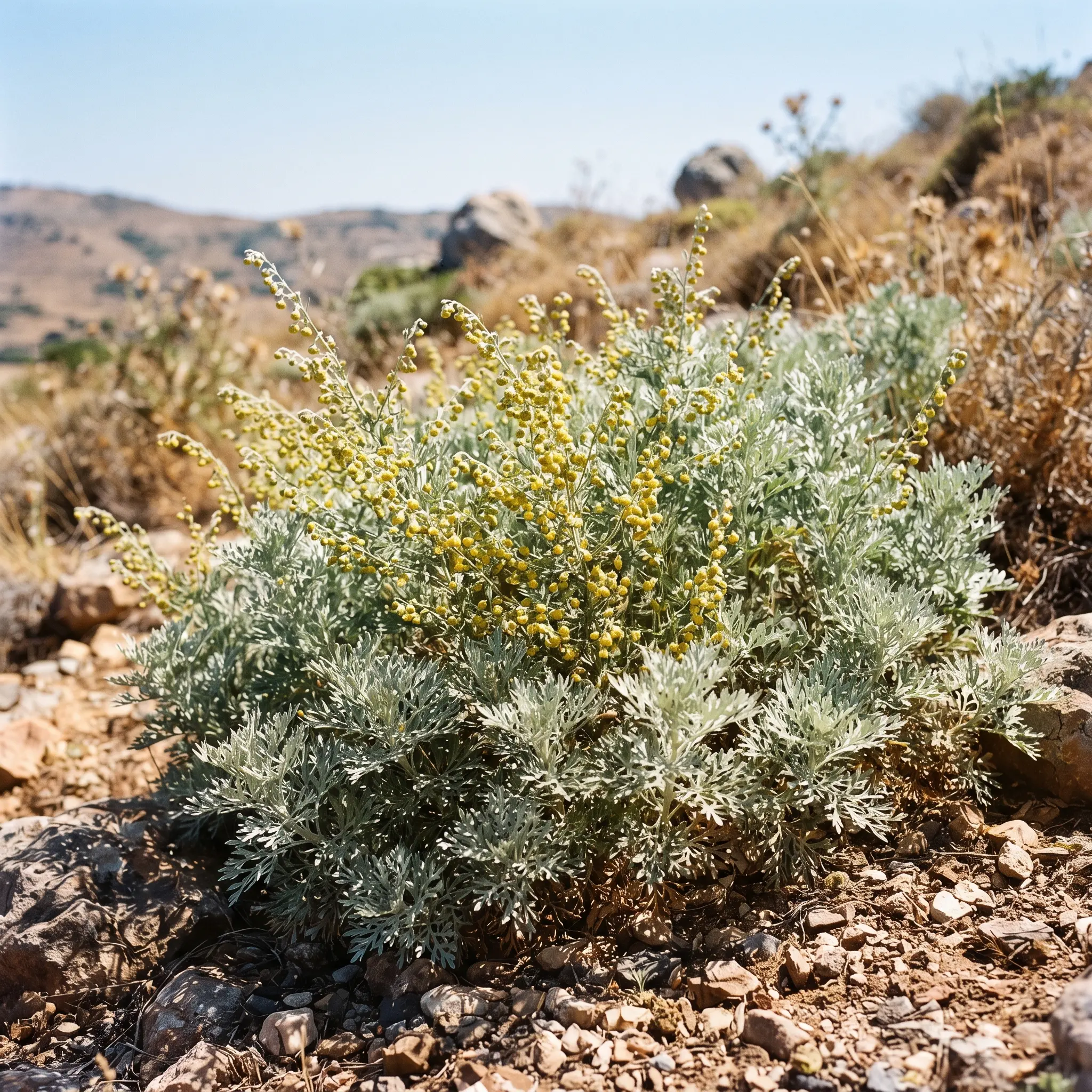
Traditionally, wormwood has been used primarily for supporting digestion and addressing intestinal parasites, especially when dealing with a sluggish appetite or suspected parasitic infection. It is commonly prepared as a tea (short-term, low dose), tincture, or bitters formula.
Common Name: Wormwood Latin Name: Artemisia absinthium (Latin name itself in italics) Alternate Names: Absinthe Wormwood, Grand Wormwood
- Parts used: leaves, flowering tops
- Primary properties: bitter, vermifuge, carminative
- Common preparations: tea (short-term, low dose), tincture, bitters
- Best known for: stimulating digestion and traditional use against intestinal parasites
What It Helps With
Health conditions this herb is commonly used to support.
Related Buying Guides
Featured Recipes
Explore and try simple ways to prepare and use this herb at home.
Active Compounds
The tiny plant chemistry doing all the heavy lifting.
Key Herbal Properties
What this herb is known for, herbally speaking.




Herbal Synergies
Other herbs that pair especially well with this one — together, their combined properties work better than either herb does alone.
Health Conditions Wormwood Helps With
- Sluggish digestion & poor appetite — Wormwood is one of the classic bitter herbs, traditionally used in small amounts before meals to stimulate digestive secretions and appetite.
- Intestinal parasites — Wormwood has a long traditional history, particularly as part of multi-herb formulas, used to help address intestinal parasites, though this use calls for professional guidance.
- Bloating & gas — Traditionally used in small doses to help ease digestive discomfort after eating.
- Occasional loss of appetite — Used traditionally as a bitter tonic to help stimulate a diminished appetite, particularly during recovery from illness.
Compounds
- Thujone — A potent volatile compound wormwood is particularly known and cautioned for, thought to contribute to its traditional vermifuge and stimulating effects, but also the primary reason this herb requires very careful, limited use.
- Absinthin & anabsinthin — Intensely bitter compounds responsible for wormwood’s characteristic bitterness and traditional digestive-stimulating reputation.
- Flavonoids — Support wormwood’s overall antioxidant profile and general traditional anti-inflammatory reputation.
- Volatile oils (broader class) — Contribute to wormwood’s aroma and are thought to play a supporting role in its traditional carminative effects.
Properties
- Bitter — Wormwood’s most defining property, among the most intensely bitter herbs used traditionally, stimulating digestive secretions when taken in small amounts before meals.
- Vermifuge — One of wormwood’s most historically significant traditional uses, associated with helping expel intestinal parasites.
- Carminative — Traditionally used in very small doses to ease gas and digestive discomfort.
- Antimicrobial (traditional) — Traditionally associated with supporting the body’s response to certain microbial or parasitic concerns.
Recipes Using Wormwood
- Traditional digestive bitters — Wormwood combined in very small amounts with other bitter herbs in a classic bitters formula, taken before meals.
- Short-term wormwood tea — A brief, low-dose infusion of dried wormwood, traditionally used for a limited period rather than ongoing use.
- Traditional anti-parasitic herbal blends — Wormwood combined with herbs like black walnut and clove in formulas historically used for intestinal parasites, typically under practitioner guidance.
Products Featuring Wormwood
- Dried leaf — Used sparingly for short-term tea or bitters preparation, given its potency.
- Tincture — Allows for a more precisely measured, small dose than loose tea, which matters given wormwood’s narrow margin of safety.
- Standardized bitters formulas — Commercial bitters products often contain wormwood in carefully controlled, small amounts alongside other bitter herbs.
Synergies
- Wormwood + fennel — Traditionally paired to help offset wormwood’s intensity while supporting digestive comfort.
- Wormwood + ginger — Combined to ease any digestive gripping and improve overall comfort of use.
- Wormwood + black walnut — A traditional pairing in formulas historically associated with addressing intestinal parasites.
- Wormwood + peppermint — Added to help balance wormwood’s intense bitterness and support digestive ease.
Safety & Precautions
Wormwood is one of the more potent and potentially risky herbs in traditional use, largely due to its thujone content, and it should be approached with real caution rather than treated as a casual bitter herb. It is intended for short-term use only, in small amounts, since prolonged or excessive use has been associated with thujone-related toxicity, including effects on the nervous system; it should never be used continuously over long periods.
Wormwood must be strictly avoided during pregnancy, as it has a long traditional history of use as an abortifacient and emmenagogue and can pose a risk of miscarriage. It should also be avoided while breastfeeding due to insufficient safety data and its overall potency. It should not be used by anyone with a seizure disorder, given thujone’s associated neurological risks, and it is not appropriate for children. Wormwood should be avoided by anyone with kidney disease, as some traditional accounts have raised concerns about kidney strain with excessive use. It may also interact with medications processed by the liver and with sedative or anti-seizure medications, so anyone on these should consult a healthcare provider before use. Anyone with a known allergy to plants in the daisy/ragweed family should avoid wormwood, as cross-reactivity is possible.
Wormwood is not well-tolerated by everyone even at traditional short-term doses, and unlike many culinary bitter herbs, it does not have a wide margin of safety — caution is the rule here, not the exception. It should never be used internally without guidance from a qualified herbal practitioner familiar with its risks. For pets, wormwood is considered toxic to dogs and cats and can cause vomiting, tremors, and other symptoms; the plant and any wormwood-containing products should be kept well out of reach, and any suspected ingestion warrants an urgent call to a veterinarian.
Q&A
Is wormwood the same as absinthe, and is it dangerous like people say?
Wormwood is the plant historically used to flavor the alcoholic beverage absinthe, and much of wormwood’s cautious reputation comes from historical concerns (and some genuine exaggeration) about thujone toxicity associated with older, less-regulated absinthe production. Modern absinthe production is regulated to limit thujone content, but the underlying caution about wormwood’s potency itself is genuinely warranted, separate from the historical absinthe controversy.
Whether encountered as a beverage ingredient or an herbal remedy, wormwood’s thujone content is the reason it calls for informed, careful, short-term use rather than casual, ongoing consumption.
Is wormwood tea safe to drink regularly?
No — wormwood is not intended for regular, ongoing use as a tea. Traditional use has generally been short-term and in small amounts, reserved for specific digestive or parasitic concerns rather than daily consumption, because of its thujone content and narrow margin of safety.
Given the real risks associated with wormwood, anyone considering its use should speak with a qualified herbal practitioner first rather than self-dosing at home on a regular basis.
Can wormwood actually help get rid of intestinal parasites?
Wormwood has one of the longest traditional histories of any herb specifically associated with addressing intestinal parasites, often as part of a multi-herb traditional formula rather than used alone. That said, suspected intestinal parasites are a situation that calls for proper medical diagnosis and treatment, with herbal approaches like wormwood best used under the guidance of a knowledgeable practitioner alongside, not instead of, appropriate medical care.
If you suspect a parasitic infection, seeing a healthcare provider for proper testing and treatment is the appropriate first step.
Why does wormwood taste so intensely bitter?
Wormwood contains compounds called absinthin and anabsinthin, which are among the most intensely bitter substances found in any commonly used herb, which is part of why it’s traditionally used only in very small amounts, often diluted into a bitters formula rather than taken as a straightforward tea. This extreme bitterness is actually part of its traditional digestive-stimulating mechanism.
Because of the intensity, wormwood bitters are typically taken as just a few drops before a meal rather than in any larger quantity.
Is wormwood safe around pets?
No — wormwood is considered toxic to both cats and dogs and should not be accessible to them in the garden or home. Ingestion can cause vomiting, tremors, and other concerning symptoms related to its potent compound content.
If a pet chews on or ingests wormwood, contacting a veterinarian promptly is the safest course of action.
References
- Plants of the World Online: Artemisia absinthium
- PubMed: Scientific Literature on Artemisia absinthium
- National Library of Medicine: Chemical Constituents from Artemisia absinthium
- Wikipedia: Artemisia absinthium
- ScienceDirect Topics: Artemisia absinthium Research
- Memorial Sloan Kettering Cancer Center: About Herbs — Wormwood
- PubMed: Thujone Toxicity Research
- ASPCA: Toxic and Non-Toxic Plants — Wormwood
This information is for educational purposes only and is not intended as medical advice. Consult a qualified healthcare professional before using any herb, especially if pregnant, breastfeeding, taking medications, or managing a health condition.