


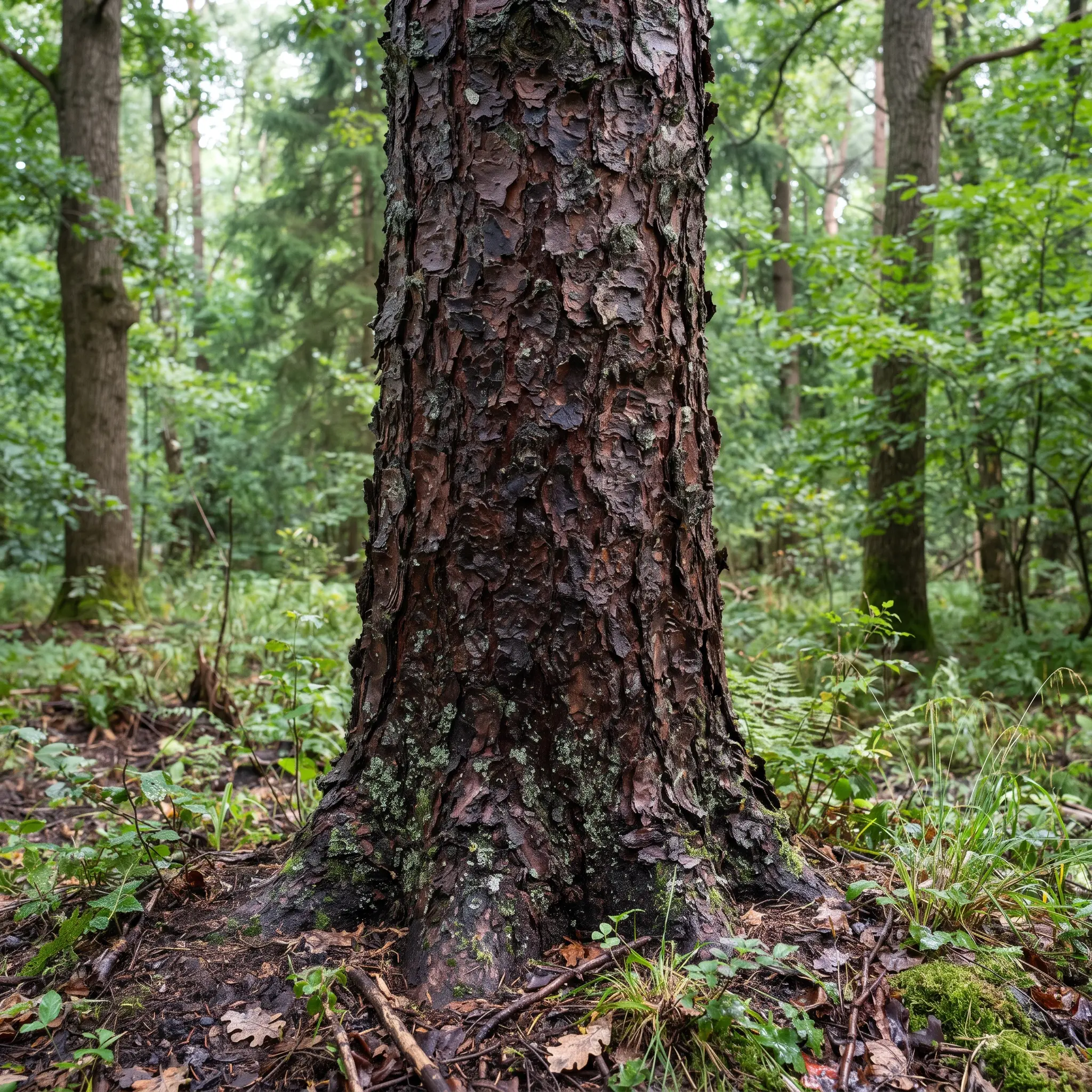
Traditionally, wild cherry bark has been used primarily for easing cough and soothing respiratory irritation, especially when dealing with a dry, persistent cough or chest congestion. It is commonly prepared as a tea, tincture, or syrup.
Common Name: Wild Cherry Bark Latin Name: Prunus serotina (Latin name itself in italics) Alternate Names: Black Cherry Bark, Chokecherry
- Parts used: inner bark
- Primary properties: expectorant, antitussive, astringent
- Common preparations: tea, tincture, syrup
- Best known for: soothing dry cough and respiratory irritation
What It Helps With
Health conditions this herb is commonly used to support.
Related Buying Guides
Featured Recipes
Explore and try simple ways to prepare and use this herb at home.
Active Compounds
The tiny plant chemistry doing all the heavy lifting.
Key Herbal Properties
What this herb is known for, herbally speaking.




Herbal Synergies
Other herbs that pair especially well with this one — together, their combined properties work better than either herb does alone.
Health Conditions Wild Cherry Bark Helps With
- Dry, persistent cough — Wild cherry bark has one of the longest and most well-established traditional reputations of any herb for calming a dry, irritating cough.
- Chest congestion — Traditionally used to help loosen and clear mucus from the respiratory tract during a cold or chest cold.
- Sore throat — Traditionally used as a soothing tea or syrup to help ease throat irritation associated with coughing.
- General respiratory irritation — Long included in traditional formulas intended to calm overall respiratory tract irritation and discomfort.
Compounds
- Cyanogenic glycosides (prunasin) — Compounds unique to wild cherry bark, generally understood in small, properly prepared traditional doses to contribute to its traditional cough-calming reputation, though they require careful preparation and dosing given their nature.
- Tannins — Give wild cherry bark its astringent, toning quality, contributing to its traditional soothing effect on irritated tissue.
- Scopoletin — A compound thought to contribute to wild cherry bark’s traditional antispasmodic and soothing respiratory reputation.
- Volatile oils — Contribute to wild cherry bark’s characteristic aroma and are thought to support its overall traditional soothing effects.
Properties
- Antitussive — Wild cherry bark’s most defining traditional property, used specifically to help calm and quiet a persistent cough.
- Expectorant — Traditionally used to help loosen and clear mucus from the respiratory tract.
- Astringent — Its tannin content gives wild cherry bark a toning quality, traditionally used for throat comfort.
- Antispasmodic (mild) — Traditionally associated with easing the spasmodic quality of a persistent, irritating cough.
Recipes Using Wild Cherry Bark
- Wild cherry bark cough syrup — Dried bark simmered down with honey into a traditional home remedy syrup for dry, irritating cough.
- Wild cherry bark tea — A simple decoction of the dried inner bark, traditionally sipped for cough and throat relief.
- Wild cherry bark tincture blend — Wild cherry bark combined with other respiratory-supportive herbs like thyme or licorice root for a more targeted cough formula.
Products Featuring Wild Cherry Bark
- Dried inner bark — The traditional base form, used for decoctions and homemade syrups.
- Tincture — Offers a concentrated, easy-to-dose liquid form, often preferred for its convenience during acute cough.
- Commercial cough syrup — Wild cherry bark has a long history as a flavoring and traditional active ingredient in cough syrup formulations.
Synergies
- Wild cherry bark + thyme — A classic pairing for cough and respiratory support, combining two traditional expectorant herbs.
- Wild cherry bark + licorice root — Combined to soothe the throat while wild cherry bark addresses the cough itself.
- Wild cherry bark + honey — A traditional pairing for syrups, softening wild cherry bark’s flavor while adding its own soothing quality.
- Wild cherry bark + elderberry — Paired in cold-and-flu-season formulas for combined respiratory and immune support.
Safety & Precautions
Wild cherry bark contains cyanogenic compounds that, while present in small, generally considered safe amounts in properly prepared traditional short-term remedies, mean this herb should be used carefully, in appropriate doses, and only for short periods rather than ongoing daily use. It should never be prepared from fresh, wilted leaves or twigs (as opposed to properly dried inner bark), as fresh wilted plant material has a notably higher concentration of these compounds and carries a real risk of toxicity.
Wild cherry bark should be avoided during pregnancy and breastfeeding due to its cyanogenic glycoside content and limited safety data in these populations. It is not recommended for young children without professional guidance, given the importance of correct dosing. It should not be combined with other cough suppressants without medical guidance, to avoid excessive or duplicated antitussive effect. A persistent cough lasting more than a week or two, or one accompanied by fever, chest pain, or difficulty breathing, warrants prompt medical evaluation rather than reliance on herbal support alone.
Wild cherry bark from a reputable source, properly dried and used at traditional short-term doses, is generally well-tolerated by most healthy adults. For pets, wild cherry (particularly wilted leaves and twigs) is considered toxic to dogs, cats, and livestock due to cyanogenic compounds, and the plant should be kept out of reach; any suspected ingestion should prompt a call to a veterinarian.
Q&A
Is wild cherry bark safe given that it contains cyanide-related compounds?
Properly dried and correctly prepared wild cherry inner bark has a long traditional history of safe use in appropriate short-term doses, since the concentration of cyanogenic compounds in properly processed bark is generally considered low and manageable when used as traditionally directed. The real risk comes from fresh, wilted plant material, particularly leaves and twigs, which concentrate these compounds to a much higher, genuinely dangerous degree.
Because correct preparation and dosing matter so much with this herb, sourcing from a reputable supplier rather than home-harvesting is the safer approach for most people.
Can wild cherry bark be used daily?
Wild cherry bark is intended for short-term use during an active cough or cold, generally not more than a week or two, rather than as an everyday ongoing herb. It’s traditionally reserved for acute need rather than continuous daily use.
If a cough persists beyond this short-term window, it’s worth having it evaluated by a healthcare provider rather than continuing to rely on wild cherry bark alone.
Why is wild cherry bark still found in commercial cough syrups?
Wild cherry bark has a long historical association with cough remedies and lent its flavor and traditional reputation to many cough syrup formulations, some of which still reference “wild cherry” flavor today, though modern commercial products vary widely in whether they contain the actual herb versus just cherry flavoring. It’s worth checking the ingredient list if you’re specifically looking for the herb itself.
If you want the traditional herbal preparation rather than just cherry flavoring, look for products that specifically list wild cherry bark extract as an active ingredient.
Is fresh wild cherry bark more potent than dried?
Yes, but not in a good way for safety — fresh, and especially wilted, wild cherry bark, leaves, and twigs contain notably higher concentrations of cyanogenic compounds than properly dried, cured bark, making fresh plant material considerably riskier to use. This is a key reason why traditional preparation specifically calls for dried inner bark rather than fresh material.
Purchasing pre-dried, reputably sourced wild cherry bark is a much safer approach than attempting to harvest and prepare it fresh yourself.
Is wild cherry bark safe around pets?
No — wild cherry, particularly wilted leaves and twigs, is considered toxic to dogs, cats, and livestock due to its cyanogenic compound content, and can cause serious symptoms including difficulty breathing. The plant and any fallen wilted branches should be kept out of reach in yards where pets have access.
If a pet ingests any part of a wild cherry tree, particularly wilted leaves, contacting a veterinarian immediately is important given the potential seriousness of cyanide-related toxicity.
References
- Plants of the World Online: Prunus serotina
- PubMed: Scientific Literature on Prunus serotina
- National Library of Medicine: Chemical Constituents from Prunus serotina
- Wikipedia: Prunus serotina
- ScienceDirect Topics: Prunus serotina Research
- NC State Extension Plant Toolbox: Prunus serotina
- Memorial Sloan Kettering Cancer Center: About Herbs — Wild Cherry
- ASPCA: Toxic and Non-Toxic Plants — Wild Cherry
This information is for educational purposes only and is not intended as medical advice. Consult a qualified healthcare professional before using any herb, especially if pregnant, breastfeeding, taking medications, or managing a health condition.