


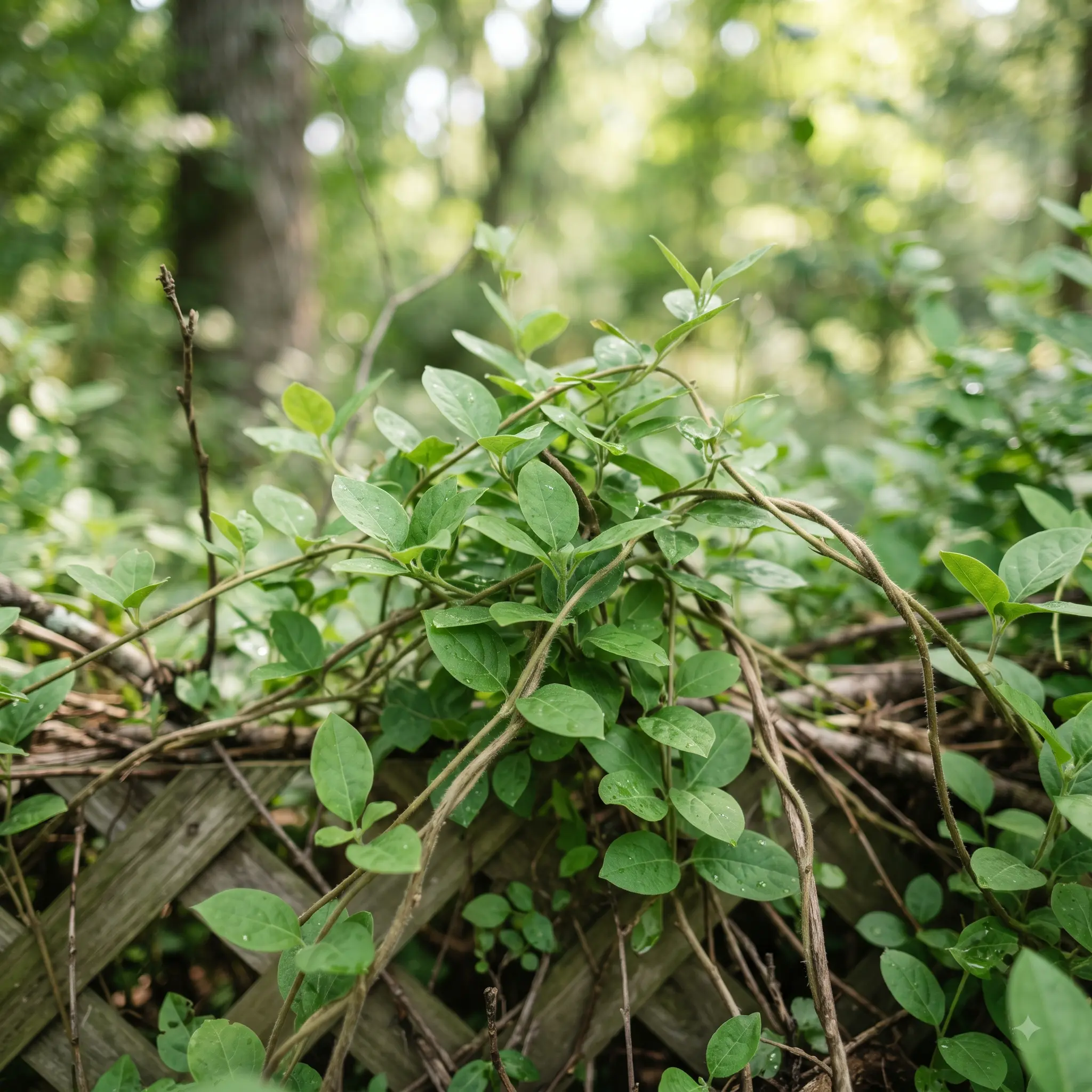
Traditionally, gymnema has been used primarily to support healthy blood sugar levels and reduce sugar cravings, especially when managing dietary sugar intake or supporting metabolic balance. It is commonly prepared as a tea, tincture, capsule, or chewed leaf.
Common Name: Gymnema
Latin Name: Gymnema sylvestre
Alternate Names: Sugar Destroyer, Gurmar
- Parts used: leaf
- Primary properties: hypoglycemic, bitter, digestive
- Common preparations: tea, tincture, capsule, chewed leaf
- Best known for: supporting healthy blood sugar and reducing sugar cravings
What It Helps With
Health conditions this herb is commonly used to support.
Related Buying Guides
Featured Recipes
Explore and try simple ways to prepare and use this herb at home.
Active Compounds
The tiny plant chemistry doing all the heavy lifting.
Key Herbal Properties
What this herb is known for, herbally speaking.




Herbal Synergies
Other herbs that pair especially well with this one — together, their combined properties work better than either herb does alone.
Health Conditions Gymnema Helps With
- Blood Sugar Support — Gymnema is one of the most well-known traditional herbs for supporting already-normal blood sugar levels, used in Ayurvedic practice for centuries.
- Sugar Cravings — Gymnema leaf has a distinctive traditional use for temporarily reducing the perception of sweetness, which has made it popular for supporting reduced sugar cravings.
- Weight Management Support — Traditionally used as part of broader approaches to metabolic balance and appetite support.
- Digestive Sluggishness — Traditionally included in some formulas to support general digestive tone, tied to its mildly bitter quality.
Compounds
- Gymnemic acids — the primary active compounds in gymnema leaf, considered central to its traditional blood sugar-supportive reputation and its unique ability to temporarily block sweet taste perception.
- Saponins — plant compounds thought to contribute to gymnema’s broader traditional metabolic-supportive use.
- Flavonoids — generally understood to contribute antioxidant activity alongside gymnema’s other traditional benefits.
- Tannins — mildly astringent compounds present in the leaf, secondary to gymnema’s primary traditional use.
Properties
- Hypoglycemic — gymnema’s defining property, traditionally used to support balanced blood sugar levels.
- Bitter — contributes to gymnema’s traditional digestive-supportive quality.
- Taste-modulating — uniquely, chewing gymnema leaf temporarily reduces the ability to taste sweetness, a distinctive traditional use for curbing sugar cravings.
- Digestive tonic — traditionally used in small amounts to support overall digestive function.
Recipes Using Gymnema
- Gymnema Leaf Tea — a traditional infusion used for ongoing blood sugar and craving support.
- Gymnema Tincture — a concentrated liquid extract taken in small drop doses as part of a daily routine.
- Chewed Fresh or Dried Leaf — a traditional method used specifically to temporarily reduce sweet taste perception before eating sugary foods.
Products Featuring Gymnema
- Standardized Extract Capsules — favored for consistent dosing as part of a daily blood sugar-support routine.
- Tincture — offers a concentrated, adjustable option for those already familiar with gymnema’s effects.
- Dried Leaf — used for tea or the traditional chewing method aimed at reducing sweet cravings.
Synergies
- Cinnamon — traditionally paired with gymnema for combined blood sugar support.
- Fenugreek — combined in traditional formulas aimed at broader metabolic and blood sugar balance.
- Bitter Melon — paired for its own traditional blood sugar-supportive reputation alongside gymnema.
- Turmeric — added to metabolic support blends for its complementary anti-inflammatory quality.
Safety & Precautions
Gymnema may lower blood sugar, so those with diabetes or on blood sugar-lowering medications should monitor levels closely and consult a healthcare provider before use, since combining gymnema with these medications could increase the risk of low blood sugar. It should be used with caution around scheduled surgery, as it may affect blood sugar control during that time; a healthcare provider should be informed of gymnema use before any surgical procedure. Pregnant and breastfeeding individuals should consult a healthcare provider before use, as safety data is limited. Gymnema is not typically recommended for continuous, indefinite daily use without periodic reassessment by a healthcare provider, particularly for those managing a diagnosed condition. Gymnema is not recommended for pets without veterinary guidance.
Q&A
Does gymnema taste bitter?
Yes, gymnema leaf has a mildly bitter, somewhat astringent flavor, though its most notable characteristic isn’t its own taste but its effect on your ability to taste sweetness afterward. Chewing the leaf temporarily blunts the sweet taste receptors on the tongue.
This unique effect is actually part of why gymnema earned its traditional nickname meaning “sugar destroyer” in some regions.
Can gymnema be used daily?
Gymnema is commonly used daily as part of an ongoing blood sugar-support routine, and many traditional Ayurvedic uses involve consistent daily intake over an extended period. That said, anyone using it alongside diabetes medication should do so with regular monitoring and healthcare provider guidance.
For those using gymnema specifically for the taste-modulating effect on sugar cravings, it’s often used situationally, such as chewing a leaf before a meal, rather than as a fixed daily dose.
Why does gymnema make sweet foods taste bland?
Gymnema leaf contains compounds that temporarily interact with the sweet taste receptors on the tongue, which can make sugary foods taste noticeably less sweet, sometimes even flat or bland, for a period after chewing the leaf. This effect is temporary and wears off within an hour or so.
This unusual property is one of the main reasons gymnema became traditionally associated with curbing the appeal of sugary foods.
Can gymnema be combined with diabetes medication?
Because gymnema traditionally has blood-sugar-lowering properties, combining it with diabetes medications could increase the risk of blood sugar dropping too low, so this combination should only be done under close medical supervision with regular blood sugar monitoring. This is an important safety consideration, not just a minor caution.
Anyone managing diabetes who is considering gymnema should discuss it with their healthcare provider before starting, rather than adding it on their own.
How should gymnema leaf be stored?
Dried gymnema leaf should be stored in an airtight container away from light, heat, and moisture, where it typically retains potency for about a year. Capsule forms should be kept in their original container in a cool, dry place.
Gymnema tincture stores well for several years when kept in a dark glass bottle away from direct light and heat.
References
- Plants of the World Online: Gymnema sylvestre
- PubMed: Scientific Literature on Gymnema sylvestre
- National Library of Medicine: Chemical Constituents from Gymnema sylvestre
- Wikipedia: Gymnema sylvestre
- ScienceDirect Topics: Gymnema sylvestre Research
- Memorial Sloan Kettering Cancer Center: About Herbs — Gymnema
- National Library of Medicine: Gymnemic Acid Research
This information is for educational purposes only and is not intended as medical advice. Consult a qualified healthcare professional before using any herb, especially if pregnant, breastfeeding, taking medications, or managing a health condition.