



Vulnerary simply describes an herb traditionally used to support the healing of wounds, cuts, and skin injuries. In herbal medicine, vulnerary refers to a plant’s ability to support the skin’s own natural healing process, generally by promoting healthy tissue repair at the site of a wound. This is a broad, traditional category that often overlaps with other skin-supporting properties like antiseptic and astringent, since many herbs traditionally used for wound care offer several of these supportive qualities together.
In the body, vulnerary herbs primarily engage the integumentary system, the technical name for the skin and everything connected to it, since that’s where these herbs do their work. Many vulnerary herbs contain naturally occurring plant compounds thought to support healthy tissue formation and skin cell renewal, helping the skin’s own repair process along as a wound heals. Some also have mild astringent qualities, meaning they gently tighten tissue, which traditional herbalists have long associated with supporting the healing process at the wound’s edges. It’s the tiny plant chemistry doing all the heavy lifting, working alongside the skin’s own remarkable ability to repair itself.
People typically reach for vulnerary herbs in familiar, everyday moments — a minor kitchen cut or scrape that’s already clean and needs support while it heals, a small blister or abrasion, or general first-aid support for tidying up minor everyday nicks and bumps. These are the ordinary bumps and scrapes of daily life, not anything requiring urgent medical attention.
One honest safety note: vulnerary herbs are meant for minor, surface-level wounds that are already clean, not deep wounds, punctures, animal bites, or anything that looks infected (red, swollen, warm, or oozing), which need proper medical care rather than herbal support alone — and it’s always smart to do a small patch test first, since some vulnerary herbs can occasionally irritate sensitive skin.
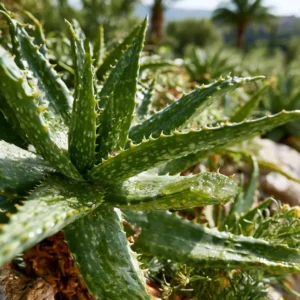
Suggested herbs: Calendula, Plantain, Yarrow, Comfrey, St. John’s Wort, Chickweed, Aloe Vera, Witch Hazel
Herbs With This Effect
Explore herbs commonly valued for this property.
Featured Recipes
Recipes that put this property to use.
Available Herbal Products
Explore and shop ready-made products offering this benefit.
Explore herbs commonly valued for their gentle vulnerary support.
References
- NIH National Center for Complementary and Integrative Health
- Mount Sinai Health Library — Herbal Medicine
- Cleveland Clinic
- Mayo Clinic
Frequently Asked Questions
Q: What's the easiest way to use vulnerary herbs on a minor cut?
A: A calendula-based salve, infused oil, or gentle herbal ointment applied after cleaning the wound with water are all simple, common ways people use vulnerary herbs for everyday scrapes at home.
Q: What's the difference between vulnerary and antiseptic herbs?
A: Vulnerary specifically refers to supporting the wound-healing process itself, while antiseptic focuses on keeping the area clean of unwanted microbial growth. Many herbs, like calendula, offer both qualities together.
Q: When should I see a doctor instead of using a vulnerary herb?
A: If a wound is deep, won't stop bleeding, looks infected (red, swollen, warm, or oozing), or came from an animal bite, it's time for proper medical care rather than herbal support alone.
Q: Can vulnerary herbs help with scarring?
A: Some people use vulnerary herbs as part of a skincare routine for healed wounds, hoping to support smoother-looking skin over time, though individual results with scarring vary quite a bit.
This information is for educational purposes only and is not intended as medical advice. Consult a qualified healthcare professional before using any herb, especially if pregnant, breastfeeding, taking medications, or managing a health condition.