


Nutritive simply describes an herb valued mainly for the vitamins, minerals, and other nourishing compounds it naturally provides. In herbal medicine, nutritive refers to a plant that offers meaningful nutritional content — things like vitamins, minerals, and trace nutrients — beyond just a specific medicinal action, which makes this a bit different from many other herbal properties that focus on one targeted mechanism, like easing digestion or calming the nervous system. Nutritive herbs are more about broad, whole-body nourishment.
In the body, nutritive herbs primarily support the whole body rather than one specific system, since the vitamins and minerals they provide are used throughout the body for all kinds of everyday functions. Many nutritive herbs are naturally rich in things like iron, calcium, or vitamin C, and are often used more like a food than a targeted remedy, incorporated regularly into the diet as a simple way to add extra nourishment. It’s the tiny plant chemistry doing all the heavy lifting, though in this case, that chemistry looks more like everyday nutrition than a specific herbal action.
People typically reach for nutritive herbs as part of an everyday wellness routine focused on overall nourishment, during a season when they want extra whole-body support, or simply as a simple, food-based way to round out their diet with extra vitamins and minerals. This is a gentle, foundational category that many people use regularly rather than for any single situation.
One honest safety note: while nutritive herbs are generally very gentle and food-like, some are quite concentrated in certain minerals, so it’s still smart to be mindful of amounts, especially if you’re managing a condition that requires watching specific nutrients, and it’s always worth checking with a healthcare provider if you’re pregnant, nursing, or have a health condition that affects how your body processes vitamins or minerals.
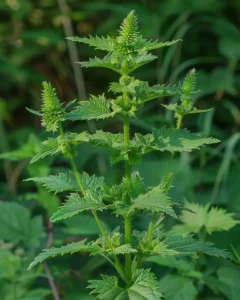
Suggested herbs: Nettle, Oat Straw, Alfalfa, Red Raspberry Leaf, Dandelion Leaf, Moringa, Spirulina, Chickweed
Herbs With This Effect
Explore herbs commonly valued for this property.
Featured Recipes
Recipes that put this property to use.
Available Herbal Products
Explore and shop ready-made products offering this benefit.
Explore herbs commonly valued for their gentle, nourishing support.
References
- NIH National Center for Complementary and Integrative Health
- Mount Sinai Health Library — Herbal Medicine
- Cleveland Clinic
- Mayo Clinic
Frequently Asked Questions
Q: Can I get real nutritional value from herbs like nettle or oat straw?
A: Yes — nutritive herbs like nettle are genuinely valued for their vitamin and mineral content, and many people use them regularly, similar to how you'd use a leafy green, as part of everyday nutrition.
Q: What's the easiest way to use nutritive herbs daily?
A: Herbal teas, infusions, or adding powdered herbs like spirulina or moringa to smoothies are simple, common ways to work nutritive herbs into an everyday routine.
Q: Are nutritive herbs safe to take every day?
A: Generally yes, since they're more food-like than many other herbal categories, though it's still worth being mindful of amounts, especially with concentrated options, and checking in with a doctor if you have a health condition.
Q: What's the difference between a nutritive herb and a regular vitamin supplement?
A: Nutritive herbs provide nutrients in their whole-food, plant form alongside other naturally occurring plant compounds, while a vitamin supplement is typically an isolated, concentrated dose of one specific nutrient.
This information is for educational purposes only and is not intended as medical advice. Consult a qualified healthcare professional before using any herb, especially if pregnant, breastfeeding, taking medications, or managing a health condition.