



Hypnotic, in an herbal context, simply describes an herb traditionally used to support falling asleep. In herbal medicine, hypnotic refers to a plant’s ability to promote drowsiness and support the transition into sleep, which is a bit stronger than a mild relaxant or calming herb — hypnotic herbs specifically lean toward helping the body wind down enough to actually fall asleep, rather than just easing general tension. This is different from the medical term “hypnotic,” used for prescription sleep medications, though the general goal of supporting sleep onset is similar.
In the body, hypnotic herbs primarily engage the nervous system, generally by gently supporting the brain’s natural relaxation and sleep-related pathways. Many hypnotic herbs contain compounds thought to have a mildly sedating effect, helping quiet mental activity and physical tension enough for sleep to come more easily. Because this effect can be more pronounced than other calming herbs, hypnotic herbs are generally used specifically at bedtime rather than throughout the day. It’s the tiny plant chemistry doing all the heavy lifting, working with the body’s own natural sleep process rather than forcing it.
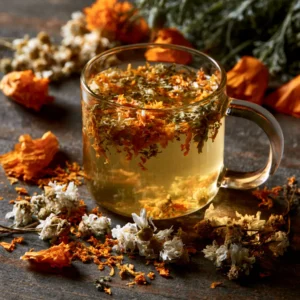
People typically reach for hypnotic herbs in familiar, everyday situations — a racing mind at bedtime that makes it hard to fall asleep, a stretch of restless nights during a stressful period, or simply wanting a gentle, natural addition to a wind-down bedtime routine. These are common, everyday sleep struggles rather than a diagnosed sleep disorder.
One honest and important safety note: because hypnotic herbs are more sedating than gentler calming herbs, they shouldn’t be combined with alcohol, sedative medications, or driving or operating machinery afterward, and if sleep troubles are persistent, severe, or affecting daily functioning, it’s worth talking with a healthcare provider rather than relying on herbs alone, since ongoing sleep issues can have a range of underlying causes.
Suggested herbs: Valerian Root, Hops, Passionflower, Chamomile, California Poppy, Skullcap, Lavender, Kava
Herbs With This Effect
Explore herbs commonly valued for this property.
Featured Recipes
Recipes that put this property to use.
Available Herbal Products
Explore and shop ready-made products offering this benefit.
Explore herbs traditionally valued for supporting restful sleep.
References
- NIH National Center for Complementary and Integrative Health
- Mount Sinai Health Library — Herbal Medicine
- Cleveland Clinic
- Mayo Clinic
Frequently Asked Questions
Q: What's the difference between hypnotic and sedative herbs?
A: The terms overlap quite a bit, but hypnotic specifically describes herbs that support actually falling asleep, while sedative more broadly describes anything calming, which may or may not lead all the way to sleep.
Q: Can I take hypnotic herbs every night?
A: Some gentle options like chamomile are commonly used nightly, but it's worth checking on the specific herb, and if you find you need something every single night long-term, it's worth discussing with a doctor.
Q: Is it safe to combine hypnotic herbs with alcohol?
A: No — combining sedating herbs with alcohol or other sedative substances can increase drowsiness more than expected and isn't recommended for safety reasons.
Q: How long before bed should I take a hypnotic herb?
A: Most people take them 30-60 minutes before bedtime as part of a wind-down routine, giving the herb time to take effect before they're ready to sleep.
This information is for educational purposes only and is not intended as medical advice. Consult a qualified healthcare professional before using any herb, especially if pregnant, breastfeeding, taking medications, or managing a health condition.