Hemostatic (Styptic)
Dealing with a minor cut? Hemostatic herbs gently support the body's natural clotting process during everyday first aid.

Hemostatic simply means something that helps slow or stop minor bleeding. In herbal medicine, hemostatic (also called styptic, an older term for the same idea, especially in topical use) refers to a plant’s ability to support the body’s natural clotting process or physically help close off a small wound, often through naturally occurring plant compounds like tannins, which cause tissue and blood vessels to gently tighten and contract. This tightening action is closely related to the astringent property, and many hemostatic herbs are astringent too.
In the body, hemostatic herbs primarily engage the circulatory system, particularly at the surface level where a minor cut or scrape occurs. When applied topically, tannins and similar compounds are thought to help constrict tiny blood vessels near the skin’s surface, which can slow the flow of blood and support the body’s own natural clotting process. This is generally understood as gentle, first-aid-level support for minor external bleeding, not a substitute for direct pressure or proper wound care, which always come first. It’s the tiny plant chemistry doing all the heavy lifting, working alongside the body’s own clotting response.
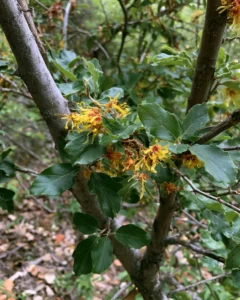
People typically reach for hemostatic herbs in everyday, minor first-aid moments — a small kitchen cut while cooking, a scraped knee, or a minor nosebleed that needs a little extra support alongside direct pressure. These are common, low-stakes situations, not anything requiring emergency care on their own.
One honest and important safety note: hemostatic herbs are meant for minor, external bleeding only — always apply direct pressure first, and if bleeding is heavy, doesn’t stop after several minutes of pressure, or comes from a deep wound, seek medical care right away rather than relying on herbs alone. These herbs also aren’t appropriate as a substitute for medication if you have a diagnosed clotting disorder or are on blood thinners, so check with a doctor if that applies to you.
Suggested herbs: Yarrow, Shepherd’s Purse, Plantain, Witch Hazel, Cayenne, Horsetail, Nettle, Comfrey
Herbs With This Effect
Explore herbs commonly valued for this property.
Featured Recipes
Recipes that put this property to use.
Available Herbal Products
Explore and shop ready-made products offering this benefit.
Explore herbs commonly valued for their gentle hemostatic support.
References
- NIH National Center for Complementary and Integrative Health
- Mount Sinai Health Library — Herbal Medicine
- Cleveland Clinic
- Mayo Clinic
Frequently Asked Questions
Q: How do you use a hemostatic herb on a minor cut?
A: After applying direct pressure with a clean cloth, some people use a diluted yarrow tincture or a plantain poultice on the area to offer extra support, though pressure and clean wound care always come first.
Q: When should I see a doctor instead of using a hemostatic herb?
A: If bleeding is heavy, doesn't slow with several minutes of direct pressure, or comes from a deep wound or animal bite, seek medical care right away rather than relying on herbs.
Q: Are hemostatic herbs safe if I'm on blood thinners?
A: It's worth checking with a doctor, since hemostatic herbs work with the body's clotting process, which could interact with blood-thinning medication depending on the specific herb and situation.
Q: What's the difference between hemostatic and astringent herbs?
A: They're closely related — astringent describes the general tightening effect on tissue, while hemostatic specifically refers to that tightening action supporting blood clotting. Many herbs, like yarrow, are considered both.
This information is for educational purposes only and is not intended as medical advice. Consult a qualified healthcare professional before using any herb, especially if pregnant, breastfeeding, taking medications, or managing a health condition.