



Emollient simply means something that softens and smooths the skin. In herbal medicine, emollient refers to a plant’s ability to soften and soothe the skin’s outer surface, typically by forming a light, protective layer that helps the skin hold onto its own moisture. This is a bit different from a demulcent, which soothes internal mucous membranes — emollient specifically describes this softening, smoothing action on the skin itself.
In the body, emollient herbs primarily engage the integumentary system, the technical name for the skin and everything connected to it. Many emollient herbs are naturally rich in oils, fatty compounds, or mucilage (a gel-like plant substance), all of which can help create a light barrier on the skin’s surface that reduces water loss and leaves skin feeling softer and smoother. Rather than adding moisture directly, emollients mostly work by helping the skin hold onto the moisture it already has, which is why they’re often paired with a hydrating step first, like a splash of water, in skincare routines. It’s the tiny plant chemistry doing all the heavy lifting, right there on the skin’s surface.
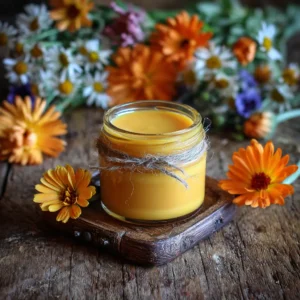
People typically reach for emollient herbs in familiar, everyday moments — dry, tight-feeling skin after a shower or during colder months, rough patches on hands, elbows, or feet that could use extra softening, or simply wanting a natural addition to a daily skincare routine. These are common, everyday skin-care moments rather than anything tied to a specific condition.
One honest safety note: while emollient herbs are generally gentle, it’s smart to patch-test a new oil or herbal preparation on a small area of skin first, especially if you have sensitive skin or known plant allergies, and if a rash, redness, or persistent skin condition doesn’t improve with basic care, it’s worth having a dermatologist take a look.
Suggested herbs: Calendula, Marshmallow Root, Chickweed, Comfrey, Plantain, Oat Straw, Aloe Vera, Slippery Elm
Herbs With This Effect
Explore herbs commonly valued for this property.
Featured Recipes
Recipes that put this property to use.
Available Herbal Products
Explore and shop ready-made products offering this benefit.
Explore herbs commonly valued for their gentle emollient support.
References
- NIH National Center for Complementary and Integrative Health
- Mount Sinai Health Library — Herbal Medicine
- Cleveland Clinic
Frequently Asked Questions
Q: What's the difference between an emollient and a moisturizer?
A: Emollient describes the softening, smoothing action itself, while "moisturizer" is a broader product term — many moisturizers actually contain emollient ingredients, like oils, alongside other hydrating components.
Q: Should I apply emollient herbs to wet or dry skin?
A: Slightly damp skin is often recommended, since emollients mainly help lock in moisture that's already there rather than adding much moisture themselves, so applying after a shower can work well.
Q: Can emollient herbs help with very dry, cracked skin?
A: Many people find them helpful for everyday dryness, though if skin is severely cracked, painful, or not improving with basic care, it's worth having a dermatologist take a look.
Q: Are emollient herbs safe for sensitive skin?
A: Generally yes, but it's smart to patch-test any new herbal oil or preparation on a small area first, especially if you have known plant allergies or particularly reactive skin.
This information is for educational purposes only and is not intended as medical advice. Consult a qualified healthcare professional before using any herb, especially if pregnant, breastfeeding, taking medications, or managing a health condition.