



Antitussive simply means something that helps calm a cough. In herbal medicine, antitussive refers to a plant’s ability to reduce the urge to cough, typically by soothing irritation in the throat and airways or by gently calming the cough reflex itself — the automatic response your body triggers when something irritates the throat or lungs. This is different from an expectorant, which helps loosen and clear mucus rather than suppress the cough itself; some antitussive herbs actually work best for a dry, unproductive cough rather than one that’s bringing up mucus.
In the body, antitussive herbs primarily engage the respiratory system, working through a couple of general mechanisms. Some are mucilage-rich, meaning they contain a naturally gel-like plant substance that coats and soothes irritated tissue in the throat, easing the scratchy feeling that often triggers coughing in the first place. Others contain compounds that appear to gently calm the nerve signals involved in the cough reflex, reducing how often that urge to cough kicks in. It’s the tiny plant chemistry doing all the heavy lifting, working with the body’s own healing process rather than forcing it.
People typically reach for antitussive herbs in familiar, everyday moments — a nagging, dry cough that lingers after a cold has mostly passed, a scratchy throat that keeps triggering coughing at night, or general throat irritation from talking too much or dry indoor air. These are common, everyday situations rather than anything requiring immediate concern on their own.
One honest safety note: a cough that’s severe, lasts more than a couple of weeks, brings up unusual mucus, or comes with difficulty breathing needs medical attention rather than herbal support alone, so it’s worth checking in with a healthcare provider if that describes what you’re experiencing. As always, start with a small amount to see how it feels for you.
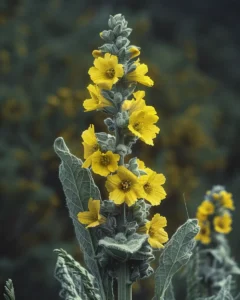
Suggested herbs: Wild Cherry Bark, Licorice Root, Marshmallow Root, Thyme, Mullein, Horehound, Slippery Elm, Elecampane
Herbs With This Effect
Explore herbs commonly valued for this property.
Featured Recipes
Recipes that put this property to use.
Available Herbal Products
Explore and shop ready-made products offering this benefit.
Explore herbs commonly valued for their gentle antitussive support.
References
- NIH National Center for Complementary and Integrative Health
- Mount Sinai Health Library — Herbal Medicine
- Cleveland Clinic
- Mayo Clinic
Frequently Asked Questions
Q: What's the difference between antitussive and expectorant herbs?
A: Antitussive herbs help calm the urge to cough, making them better for a dry, irritating cough, while expectorant herbs help loosen and clear mucus, making them more suited to a wet, productive cough.
Q: How long can I safely use antitussive herbs for a lingering cough?
A: Short-term, situational use is common, but if a cough lasts more than a couple of weeks or doesn't seem to be improving, it's worth checking in with a healthcare provider.
Q: Can antitussive herbs help a nighttime cough that disrupts sleep?
A: Many people use a warm antitussive tea or lozenge before bed to soothe throat irritation and ease that nagging nighttime cough, though results vary from person to person.
Q: Are antitussive herbs safe for children with a cough?
A: Some are, in appropriate amounts, but children can be more sensitive to herbs, and certain ones (like those containing specific alkaloids) aren't suitable for young kids, so check with a pediatrician first.
This information is for educational purposes only and is not intended as medical advice. Consult a qualified healthcare professional before using any herb, especially if pregnant, breastfeeding, taking medications, or managing a health condition.