

Antifungal
Dealing with itchy, irritated skin? Antifungal herbs gently support your body's natural defenses against everyday fungal overgrowth.


Antifungal simply means something that helps the body resist unwanted fungal overgrowth, like the kind behind common everyday skin or nail concerns. In herbal medicine, antifungal refers to a plant’s ability to inhibit the growth of fungi or make the environment less favorable for them to thrive, thanks to naturally occurring plant compounds. Many of these same compounds also show up in herbs known for other properties, like antibacterial, since plants often develop overlapping defenses against multiple types of unwanted microorganisms.
In the body, antifungal herbs primarily support the immune system, working alongside your body’s own natural defenses. Certain plant compounds — including essential oils, phenolic acids, and other naturally occurring constituents — appear to interfere with the structure or function of fungal cells, making it harder for them to establish and spread. Used topically, similar mechanisms can help create a less hospitable environment on the skin’s surface. It’s the tiny plant chemistry doing all the heavy lifting, working gradually rather than delivering an instant fix.
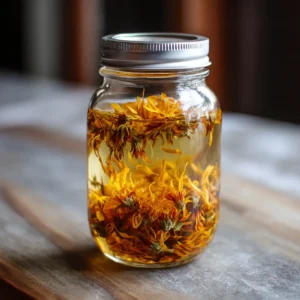
People typically look for antifungal herbs in pretty relatable, everyday situations — a bit of itchy or irritated skin after a sweaty workout, general foot or nail concerns that seem to be lingering, or wanting extra support during humid weather when fungal overgrowth tends to be more common. These are ordinary, low-stakes moments rather than anything urgent.
One honest safety note: antifungal herbs are generally meant for mild, everyday support rather than treating a confirmed or stubborn fungal infection, so if something isn’t improving, is spreading, or looks unusual, it’s worth having a healthcare provider take a look rather than relying on herbs alone. As always, start with a small amount, especially with topical use, to make sure your skin responds well.
Suggested herbs: Tea Tree, Oregano, Garlic, Calendula, Pau d’Arco, Neem, Thyme, Goldenseal, Black Walnut
Herbs With This Effect
Explore herbs commonly valued for this property.
Featured Recipes
Recipes that put this property to use.
Available Herbal Products
Explore and shop ready-made products offering this benefit.
Explore herbs commonly valued for their gentle antifungal support.
References
- NIH National Center for Complementary and Integrative Health
- Mount Sinai Health Library — Herbal Medicine
- Cleveland Clinic
- Mayo Clinic
Frequently Asked Questions
Q: How long does it take antifungal herbs to help with skin issues?
A: It varies, but many people use topical antifungal herbs consistently for a couple of weeks before noticing a difference. If things aren't improving or seem to be spreading, it's worth seeing a doctor.
Q: Can I use tea tree oil directly on my skin?
A: Tea tree oil is quite concentrated and usually needs to be diluted with a carrier oil before applying to skin, since using it undiluted can cause irritation for many people.
Q: Are antifungal herbs safe to use every day?
A: Occasional or short-term use is generally more common than daily long-term use, especially topically, so it's smart to give your skin breaks and watch for any signs of irritation.
Q: Can antifungal herbs help prevent issues like athlete's foot?
A: Some people use antifungal herbs proactively, especially after sweating or in humid conditions, as part of a foot-care routine, though this offers general support rather than guaranteed prevention.
This information is for educational purposes only and is not intended as medical advice. Consult a qualified healthcare professional before using any herb, especially if pregnant, breastfeeding, taking medications, or managing a health condition.