



Antibacterial simply means something that helps the body stand up to unwanted bacteria. If you’ve ever reached for an herb “to fight off germs,” you’ve been thinking about this property already, even if you didn’t know its name. In herbal medicine, antibacterial refers to a plant’s ability to inhibit the growth of bacteria or interfere with their ability to multiply, thanks to naturally occurring plant compounds. These compounds — things like essential oils, tannins, and phenolic acids — are the tiny plant chemistry doing all the heavy lifting behind the scenes.
So how does this actually play out in the body? Antibacterial herbs mainly support the immune system, working alongside your body’s own defenses rather than replacing them. Some plant compounds can make it harder for bacteria to build sturdy cell walls or communicate with each other, which slows their spread. Others simply create an environment — on the skin, in the gut, or in the mouth — that’s less hospitable to unwanted microbial growth. Think of it less like a single knockout punch and more like tipping the odds back in your favor.
People usually go looking for antibacterial herbs in pretty everyday moments. Maybe it’s a minor kitchen cut that needs a little extra care while it heals, or that scratchy, just-starting sore throat that shows up right before a cold. Others turn to antibacterial herbs and blends as part of a regular wellness routine, especially during colder months when the immune system feels like it’s working overtime. None of these are emergencies — they’re the small, ordinary moments where a supportive herb feels like a nice thing to have on hand.
One honest note on safety: antibacterial herbs are meant to support your body, not treat serious infections on their own, so if symptoms are severe, don’t improve, or come with a fever, it’s worth checking in with a healthcare provider rather than relying on herbs alone. As always, start with small amounts to see how your body responds, especially if you’re pregnant, nursing, or taking medication.
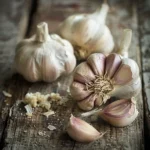
Suggested herbs: Garlic, Echinacea, Oregano, Thyme, Goldenseal, Calendula, Tea Tree, Manuka Honey (herb-adjacent), Sage, Elderberry
Herbs With This Effect
Explore herbs commonly valued for this property.
Featured Recipes
Recipes that put this property to use.
Available Herbal Products
Explore and shop ready-made products offering this benefit.
Explore herbs commonly valued for their gentle antibacterial support.
References
- NIH National Center for Complementary and Integrative Health
- Mount Sinai Health Library — Herbal Medicine
- Mayo Clinic
- Cleveland Clinic
Frequently Asked Questions
Q: How long does it take for antibacterial herbs to work?
A: It varies by herb and how you use it — some topical applications feel supportive within a day or two, while internal use for immune support is usually more gradual and works best consistently over time.
Q: Can I use antibacterial herbs instead of antibiotics?
A: Antibacterial herbs are meant for gentle, everyday support — not as a replacement for prescribed antibiotics. For confirmed or serious infections, always follow your healthcare provider's guidance.
Q: What's the easiest way to use antibacterial herbs at home?
A: Herbal teas, tinctures, or simply cooking with herbs like garlic and oregano are easy, low-effort ways to work antibacterial herbs into your routine without any special equipment.
Q: Are antibacterial herbs safe for kids?
A: Some are, in appropriate amounts, but children can be more sensitive to herbs than adults. It's best to check with a pediatrician before giving any herb regularly to a child.
This information is for educational purposes only and is not intended as medical advice. Consult a qualified healthcare professional before using any herb, especially if pregnant, breastfeeding, taking medications, or managing a health condition.