

Antioxidant
Thinking about long-term wellness? Antioxidant herbs help protect your cells from everyday stress, supporting healthy aging over time.

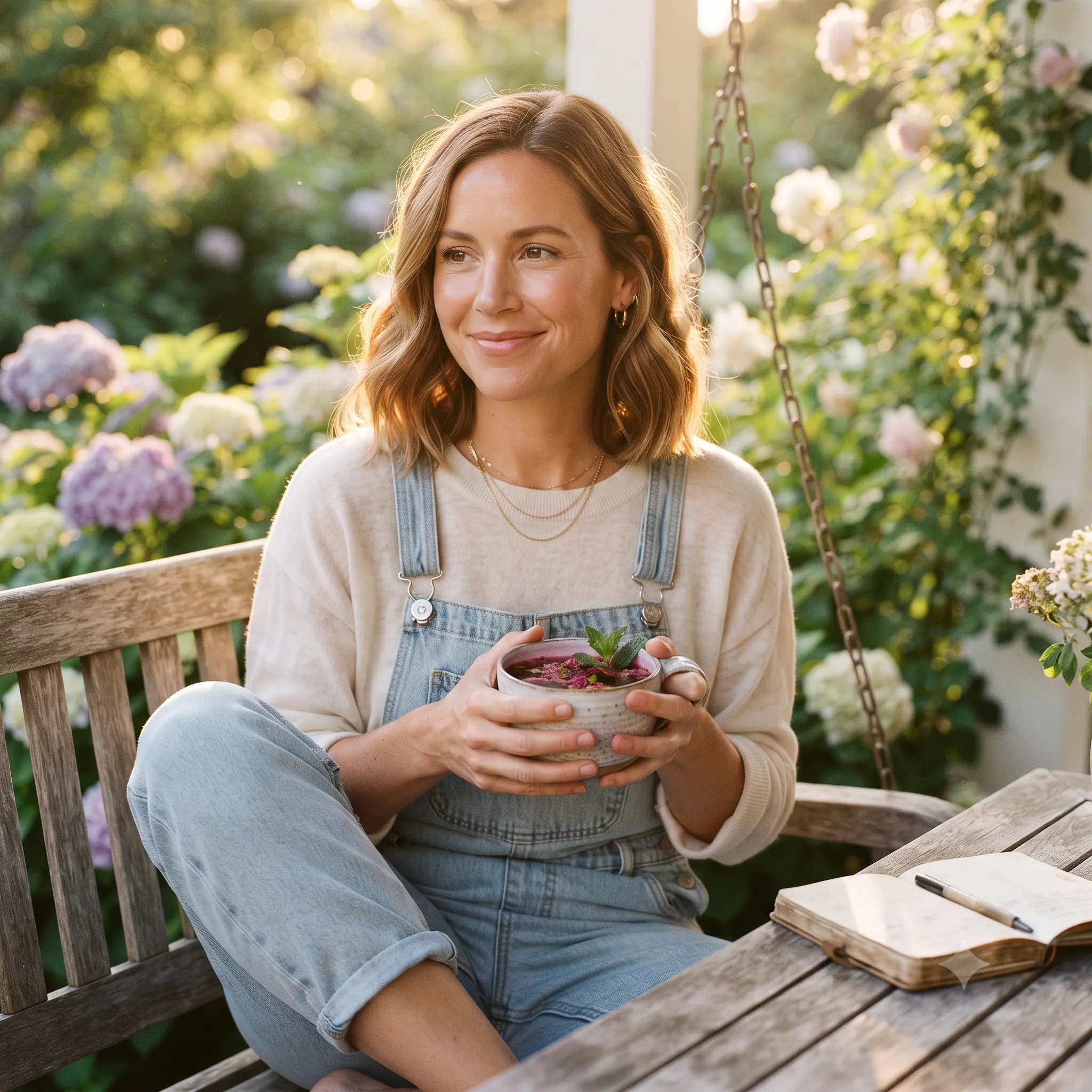
An antioxidant herb is one that helps protect your cells from everyday wear and tear. In herbal medicine, “antioxidant” describes a plant’s ability to neutralize free radicals — unstable molecules produced naturally in the body (and increased by things like stress, pollution, or sun exposure) that can damage cells over time in a process called oxidative stress. Antioxidant herbs help offer up their own electrons to these free radicals, essentially calming them down before they can do much damage.
This property touches the whole body rather than one single system, since oxidative stress can affect skin, joints, energy levels, and long-term cellular health all at once. The compounds responsible — often flavonoids, polyphenols, or carotenoids, all naturally occurring plant pigments and chemicals — are usually what give herbs their vibrant colors, from the deep purple of berries to the rich green of matcha. By supporting the body’s own defense systems, these herbs help maintain a kind of internal balance against the everyday stressors that add up.
People often look for antioxidant herbs when they’re thinking about long-term wellness and healthy aging rather than any single symptom, when they want extra support during particularly stressful or high-exposure seasons of life, or simply as an easy addition to a daily tea or smoothie routine that feels good to maintain. It’s less about fixing something and more about steady, everyday upkeep.
A gentle safety note: antioxidant herbs are generally well-tolerated in food-like amounts, but very concentrated extracts or high-dose supplements can sometimes interact with medications or certain health conditions, so it’s worth checking with a healthcare provider before adding a strong extract to your routine, especially if you’re pregnant, nursing, or managing a chronic illness.
Suggested gerbs:
Green Tea, Turmeric, Elderberry, Hibiscus, Rosemary, Ginkgo Biloba, Milk Thistle, Rooibos, Schisandra, Hawthorn
Herbs With This Effect
Explore herbs commonly valued for this property.
Featured Recipes
Recipes that put this property to use.
Available Herbal Products
Explore and shop ready-made products offering this benefit.
Explore herbs prized for their vibrant color and everyday cellular support.
References
- NIH National Center for Complementary and Integrative Health
- Mount Sinai Health Library — Herbal Medicine
- Cleveland Clinic Health Library
- Mayo Clinic — Herbal Supplements
Frequently Asked Questions
Q: Can I get enough antioxidants from herbs alone, or do I need supplements?
A: Herbs, along with colorful fruits and veggies, can go a long way as part of a balanced diet. Supplements can help fill gaps, but food-based sources are usually the easiest and safest place to start.
Q: Do antioxidant herbs help with skin aging?
A: Many people use them for this reason, since they may help support the skin's resilience against everyday environmental stress. Results vary person to person, and they work best alongside good sun protection and hydration.
Q: What's the best way to take antioxidant herbs daily?
A: Teas, smoothies, and cooking with herbs and spices are all easy, gentle ways to work them in. Consistency matters more than any single "power dose," so pick a method you'll actually stick with.
Q: Are antioxidant supplements better than eating antioxidant-rich foods?
A: Not necessarily — whole herbs and foods offer a natural mix of compounds that can work together, while isolated supplements provide just one piece. Most experts lean toward food-first when possible.
This information is for educational purposes only and is not intended as medical advice. Consult a qualified healthcare professional before using any herb, especially if pregnant, breastfeeding, taking medications, or managing a health condition.