


Mint is a fragrant family of herbs known for its cooling taste, bright aroma, and long history in food, tea, oral care, and traditional herbal preparations. The word “mint” can refer to several species, but the most common herbal and culinary types include peppermint (Mentha × piperita) and spearmint (Mentha spicata).
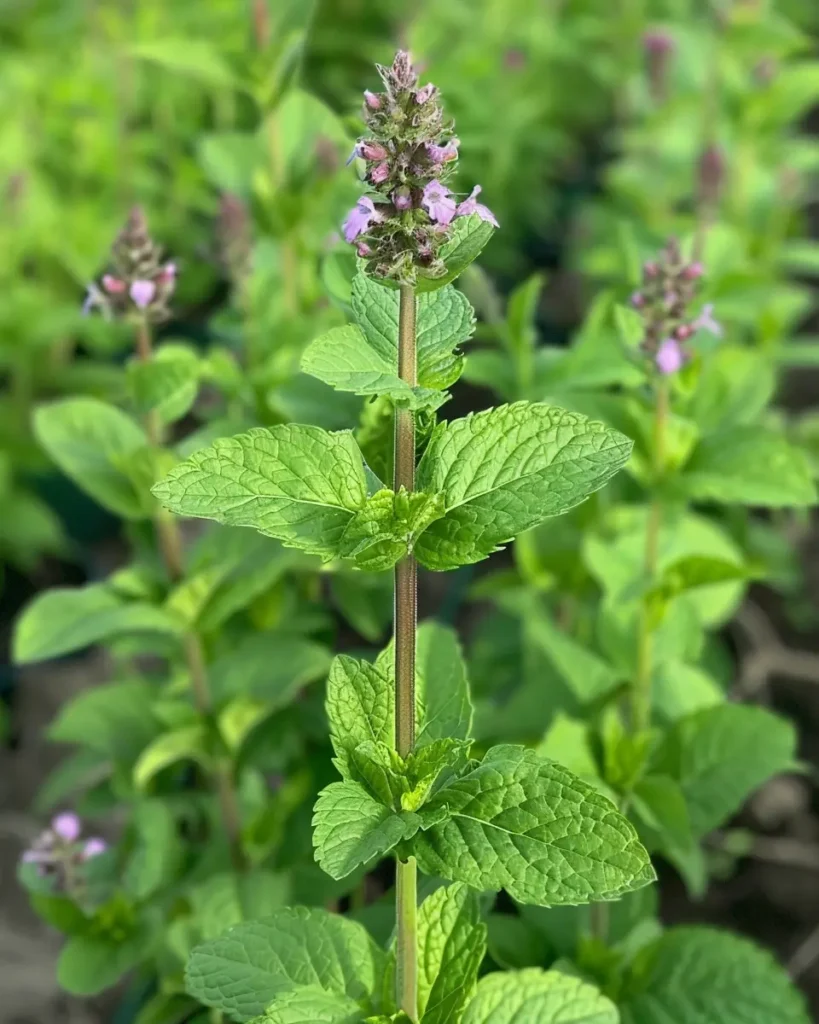
Mint (Mentha spp.)
Traditional Uses of Mint
Digestion: Mint is traditionally used as a carminative herb to support comfortable digestion, especially after meals.
Cooling Comfort: Peppermint, in particular, is known for its cooling menthol content, which creates a refreshing sensation in the mouth, throat, and skin.
Oral Freshness: Mint has a long history in breath-freshening preparations, mouth rinses, tooth powders, chewing gums, and culinary after-meal traditions.
Seasonal Wellness: Mint teas are often used for comfort during warm weather or seasonal respiratory stuffiness.
“Mint is the herb that walks into the room, opens the windows, and politely freshens the whole conversation.”
Available Mint Products
Fresh Mint
Fresh mint leaves are used in teas, salads, sauces, drinks, desserts, and herbal waters. Fresh mint has a bright aroma and is best used soon after harvest.
Dried Mint
Dried mint is commonly used for tea, spice blends, bath herbs, and herbal formulas. Good dried mint should still smell lively, clean, and minty, not dusty or faded.
Mint Tea
Mint tea is one of the most popular herbal teas in the world. Peppermint tea tends to be stronger and cooler, while spearmint tea is softer, sweeter, and gentler.
Mint Tincture
Mint tincture is an alcohol-water extract of the leaves. It is less common than tea but useful when someone wants a portable digestive or aromatic preparation.
Mint Capsules
Mint capsules may contain powdered leaf or concentrated mint extract. Peppermint oil capsules are a separate category and are much stronger than leaf capsules.
Peppermint Oil Capsules
Enteric-coated peppermint oil capsules are commonly sold for digestive support. These are concentrated products and should be used carefully, especially by people with reflux, gallbladder issues, liver concerns, or medication use.
Mint Essential Oil
Mint essential oils, especially peppermint essential oil, are highly concentrated. They should not be used internally without qualified professional guidance and should be kept away from young children, pets, eyes, and sensitive skin.
Mint Powder
Mint powder is dried mint ground into a fine form. It can be used in culinary blends, smoothies, sauces, teas, and homemade body-care recipes, though it loses aroma faster than cut leaf.
Mint Hydrosol
Mint hydrosol is a gentle aromatic water created during steam distillation. It is milder than essential oil and sometimes used in skincare, room sprays, and cooling body mists.
Key Herbal Actions
Mint is known as a carminative, aromatic digestive, antispasmodic, cooling herb, mild analgesic, diaphoretic, antimicrobial-supportive herb, nervine, and antioxidant.
Carminative
A carminative herb supports comfortable digestion and helps the body release trapped gas. Mint is one of the classic carminative herbs, especially when used as tea after meals.
Aromatic Digestive
Aromatic digestives contain fragrant volatile oils that stimulate the senses and support normal digestive secretions. Mint’s aroma is part of its herbal action, not just a pleasant bonus.
Antispasmodic
Antispasmodic herbs are traditionally used to relax patterns of tension or gripping in smooth muscle tissue. Peppermint oil has been especially studied for digestive smooth muscle relaxation.
Cooling Herb
Mint is famous for its cooling sensation, especially peppermint because of menthol. This cooling quality is why mint feels refreshing in teas, mouth care, summer drinks, and topical products.
Mild Analgesic
Menthol creates a cooling sensation on the skin and mucous membranes. This is why peppermint and menthol appear in some topical rubs, balms, and oral-care products.
Diaphoretic
Warm mint tea is traditionally used as a gentle diaphoretic, meaning it can support the body’s natural sweating response. Peppermint is often combined with elderflower, yarrow, ginger, or catnip in seasonal teas.
Antimicrobial-Supportive Herb
Mint essential oils and extracts have been studied in laboratory settings for antimicrobial activity. This does not mean mint treats infections, but it helps explain its traditional role in oral freshness and hygiene preparations.
Nervine
Mint can feel gently uplifting and clearing. It is not a deep calming nervine like skullcap or passionflower, but it may support mental freshness and comfort when tension and digestion overlap.
Antioxidant
Mint leaves contain flavonoids, rosmarinic acid, and other phenolic compounds studied for antioxidant activity. These compounds support mint’s broader value as both food and herb.
Active Compounds and Extraction
Mint contains volatile oils, menthol, menthone, carvone, limonene, menthyl acetate, rosmarinic acid, flavonoids, phenolic acids, tannins, triterpenes, and small amounts of minerals.
Volatile Oils
Volatile oils are the aromatic compounds responsible for mint’s scent, flavor, and much of its traditional digestive action. Peppermint is usually richer in menthol and menthone, while spearmint is usually richer in carvone.
Best extraction: covered hot-water infusion, tincture, fresh leaf use, hydrosol, and steam distillation.
To make mint tea, use 1–2 teaspoons dried mint or 1 tablespoon fresh mint per cup of hot water. Cover and steep for 5–10 minutes, then strain. Covering the cup helps keep the aromatic oils from escaping with the steam.
Menthol
Menthol is the cooling compound most associated with peppermint. It activates cold-sensitive receptors, which is why peppermint feels cool even when the tea is warm.
Menthol is strongly present in peppermint but much lower in spearmint. This is why peppermint feels sharper and colder, while spearmint feels sweeter and softer.
Best extraction: essential oil, tincture, covered infusion, hydrosol, and fresh leaf use.
Peppermint essential oil is concentrated and should be treated with respect. A cup of peppermint tea and a bottle of peppermint essential oil are not the same strength category.
Menthone
Menthone is another important compound in peppermint oil. It contributes to peppermint’s sharp, clean aroma and works alongside menthol in the plant’s aromatic profile.
Best extraction: essential oil, tincture, and covered infusion.
A covered infusion is best for home tea use. Long boiling is not ideal because volatile compounds can evaporate.
Carvone
Carvone is a key compound in spearmint. It gives spearmint its sweet, softer mint aroma and makes it different from the sharper menthol-rich character of peppermint.
Best extraction: covered infusion, tincture, fresh leaf use, and essential oil.
Spearmint tea is often preferred when someone wants a gentler mint flavor without peppermint’s intense cooling effect.
Rosmarinic Acid
Rosmarinic acid is a phenolic compound found in many mint-family herbs, including mint, lemon balm, rosemary, sage, thyme, and oregano. It is studied for antioxidant and tissue-supportive activity.
Best extraction: hot-water infusion, tincture, glycerite, and powder.
A simple mint infusion extracts rosmarinic acid well, which is one reason mint tea is more than just flavored water.
Flavonoids
Mint contains flavonoids such as eriocitrin, luteolin derivatives, and other related compounds depending on the species. Flavonoids contribute to antioxidant activity and general plant defense chemistry.
Best extraction: tea, tincture, powder, and whole-food use.
Using mint as tea or fresh culinary herb is a practical way to consume these compounds in a gentle form.
Phenolic Acids
Phenolic acids are antioxidant plant compounds found in many herbs and foods. In mint, they work with rosmarinic acid and flavonoids to support the herb’s overall antioxidant profile.
Best extraction: hot-water infusion, tincture, powder, and fresh herb use.
Fresh mint in water, salads, sauces, and teas provides these compounds in a food-like way.
Tannins
Tannins give herbs a mild drying or puckering quality. Mint is not a strongly astringent herb, but tannins contribute to its overall taste and tissue-toning quality.
Best extraction: hot-water infusion and tincture.
A normal 5–10 minute infusion is enough. Very long steeping may make mint tea taste more bitter and drying.
Harvesting and Storing Right
Mint is usually harvested before or during early flowering, when the leaves are fragrant and full of aromatic oils. The best time of day is late morning after dew has dried but before strong afternoon heat.
Cut the upper leafy stems, leaving enough plant behind for regrowth. Mint grows enthusiastically — sometimes too enthusiastically — so garden mint often needs boundaries unless you want it to become mayor of the herb bed.
Fresh mint can be stored in the refrigerator wrapped loosely in a damp towel or standing in a jar of water. Use it within several days for best aroma.
To dry mint, hang small bundles or spread leaves in a shaded, well-ventilated place. Avoid high heat because it weakens the volatile oils.
Dried mint should be stored in an airtight jar away from heat, light, and moisture. It is best used within about 1 year, though its aroma may fade sooner.
Mint powder is more fragile and is best used within 6–12 months. Tinctures and essential oils usually keep longer when stored properly in cool, dark conditions.
Body Functions Mint Can Support
Mint can support Digestion system, Dental oral, Respiratory system, Nervous system, Skin, Immune system, Brain, Energy and vitality, and Circulation.
Digestion System
Mint is best known as a digestive herb. Its volatile oils support its traditional use for gas, bloating, digestive heaviness, and post-meal comfort.
Peppermint oil has been studied more than mint tea for digestive smooth muscle relaxation, but tea remains the gentler traditional preparation. People with reflux may find peppermint too relaxing to the lower esophageal sphincter and may feel more heartburn.
Dental Oral
Mint is one of the most familiar herbs for oral freshness. Its aromatic oils create a clean taste and are widely used in toothpastes, mouth rinses, breath mints, chewing gum, and traditional after-meal preparations.
Mint does not replace dental care. It freshens the mouth, but brushing, flossing, and professional dental care still do the real work.
Respiratory System
Mint’s aromatic vapors can feel cooling and opening when used in tea steam, lozenges, or chest rubs. Peppermint’s menthol gives a sensation of clearer breathing even though it does not treat the cause of congestion.
Mint essential oil should not be used near the face of infants or young children. Menthol can be too strong for them.
Nervous System
Mint is gently uplifting and clearing. It may support mental freshness when fatigue, heaviness, or digestive discomfort makes someone feel dull.
It is not a sedative herb. Mint is more of a bright, refreshing companion than a deep nervous-system relaxant.
Skin
Mint is used in topical products for its cooling sensation. Menthol-containing products may feel refreshing on hot, itchy, or tense skin, but they can also irritate sensitive skin.
Peppermint essential oil should always be diluted properly and kept away from eyes, broken skin, young children, and pets. A patch test is wise.
Immune System
Mint supports seasonal comfort through warm tea, aromatic vapors, and antioxidant compounds. It is often included in herbal blends for chilly seasons with elderflower, ginger, yarrow, thyme, or lemon balm.
This does not mean mint prevents or treats infections. Its role is comfort, hydration, aroma, and gentle support.
Brain
Mint’s bright aroma is often associated with alertness and mental clarity. Some people find the scent of peppermint refreshing during study, work, or travel.
This is not the same as treating cognitive problems. Mint’s role is gentle sensory support.
Energy and Vitality
Mint can feel refreshing when the body feels hot, heavy, or sluggish. It may support energy indirectly by helping digestion feel lighter and the mind feel clearer.
It does not act like caffeine. Mint is more “fresh breeze” than “strong coffee.”
Circulation
Topical menthol creates a cooling sensation that may be followed by a feeling of warmth or increased awareness in the area. Traditional use often describes mint as moving and refreshing.
Mint should not be used as a treatment for circulation disorders. Persistent numbness, swelling, pain, or color changes need medical evaluation.
Safety and Practical Considerations
Mint leaf tea in moderate amounts is generally well tolerated by many adults. Peppermint oil, essential oil, and concentrated capsules are much stronger and require more caution.
People with acid reflux, GERD, hiatal hernia, gallbladder disease, bile duct obstruction, liver disease, or significant digestive disorders should be cautious with peppermint oil and strong peppermint preparations.
Peppermint oil may interact with medications or affect how some drugs are processed. People taking prescription medications should ask a qualified healthcare professional before using concentrated peppermint oil products.
Enteric-coated peppermint oil capsules should not be chewed or crushed. Breaking the coating may increase the chance of heartburn, mouth irritation, or stomach discomfort.
Peppermint essential oil should not be used near the face, chest, or nose of infants and young children. It should also be used very carefully around pets, especially cats, because essential oils can be unsafe for animals.
Pregnancy and breastfeeding require caution with medicinal amounts and essential oils. Culinary mint and mild tea are different from concentrated oil products, but professional guidance is still wise.
Some people may develop skin irritation, mouth irritation, allergic reactions, or headaches from strong mint products. Sensitive individuals should start small.
FAQ
What does mint taste like?
Mint tastes fresh, cooling, aromatic, and slightly sweet or sharp depending on the species. Peppermint is stronger and cooler, while spearmint is softer and sweeter.
When is the best time to use mint?
Mint is often used after meals, during warm weather, or when someone wants a refreshing tea. Peppermint may feel too stimulating or cooling for some people late at night, though others enjoy it as an evening digestive tea.
Is fresh or dried mint better?
Fresh mint has the brightest flavor and is wonderful in drinks, salads, sauces, and fresh teas. Dried mint is more convenient for storage and daily tea blends.
Is mint tea, tincture, or capsule better?
Mint tea is the gentlest and most traditional option. Tinctures are convenient, while capsules and peppermint oil products are stronger and should be used more carefully.
Can mint be used daily?
Mint tea or culinary mint can be used daily by many people. Concentrated peppermint oil products should be used according to label directions or professional guidance.
How should mint be stored?
Fresh mint should be refrigerated and used within several days. Dried mint should be stored in an airtight jar away from heat, light, and moisture.
Does mint combine well with other herbs?
Yes. Mint combines well with lemon balm, chamomile, fennel, ginger, licorice, elderflower, yarrow, nettle, hibiscus, green tea, thyme, and rosehip.
Is peppermint the same as spearmint?
No. Peppermint is usually Mentha × piperita, while spearmint is Mentha spicata. Peppermint is stronger and more menthol-rich, while spearmint is gentler and sweeter.
Is mint safe for everyone?
No. Mint may not be appropriate for people with reflux, gallbladder problems, certain medication use, pregnancy, breastfeeding, young children, pets, or sensitivity to essential oils.
Can mint be used for pets?
Pet use should only be guided by a veterinarian. Mint leaf and mint essential oil are not the same, and essential oils can be especially risky for cats and other animals.
Disclaimer
This content is educational only. It is not medical advice, diagnosis, or treatment. Herbs may interact with medications or health conditions. People who are pregnant, breastfeeding, managing a medical condition, taking prescription medications, or preparing for surgery should consult a qualified healthcare professional before using herbs.
References
European Medicines Agency: Peppermint Leaf
European Medicines Agency: Peppermint Oil
PubMed: Peppermint Oil for Irritable Bowel Syndrome — Meta-analysis
PubMed: Peppermint Oil for Irritable Bowel Syndrome — Systematic Review and Meta-analysis
PubMed: Mentha spicata Phytochemistry and Pharmacology
PubMed: Menthol Pharmacology Review
USDA FoodData Central: Spearmint, Fresh
North Carolina Extension Gardener Plant Toolbox: Mentha