Poor circulation means blood flow does not move as easily through certain areas of the body. It may show up as cold hands or feet, leg heaviness, numbness, tingling, slow healing, swelling, or cramps when walking.
Learn more about Poor Circulation
Why Poor Circulation Happens
Poor circulation can happen when blood vessels narrow, blood flow slows, or the heart and vessels work under extra strain. Peripheral artery disease, also called PAD, happens when narrowed arteries reduce blood flow, most often to the legs.
Common Types
Some people notice cold hands and feet during stress or cold weather. Others feel leg cramps during walking that improve with rest.
Poor circulation may also relate to vein problems, diabetes, smoking, high blood pressure, high cholesterol, blood clots, anemia, medication effects, or long sitting.
Common Triggers
Cold weather can tighten blood vessels. Long sitting can slow movement. Smoking damages blood vessels and strongly increases PAD risk.
Low movement, dehydration, stress, and some medical conditions can also make symptoms more noticeable.
Traditional Herbal Patterns
Traditional herbalism often sees poor circulation through coldness, stagnation, tension, weakness, or sluggish movement. Warming herbs suit cold hands and feet. Circulatory herbs suit stagnant patterns. Nervines suit stress-related tightness.
Herbalists choose herbs carefully, especially with heart disease, blood pressure medicines, blood thinners, or surgery plans.
How Herbs Can Help Poor Circulation
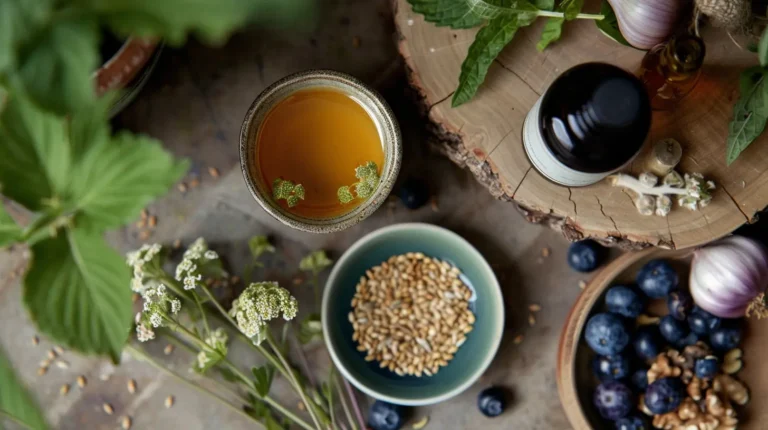
Herbalism traditionally sees poor circulation as coldness, sluggish movement, vessel tension, or weak peripheral flow. Warming circulatory herbs encourage warmth, vasodilating herbs support relaxed vessel tone, antioxidant-rich herbs support vascular wellness, and nervines calm stress-related tightness. Herbalists choose between these actions by noticing whether poor circulation feels cold, tense, heavy, crampy, or stagnant, and these are herbs traditionally used when poor circulation happens: ginger, cinnamon, hawthorn, rosehips, rosemary, lemon balm, nettle, oat straw, turmeric, black pepper, cayenne, yarrow, ginkgo, green tea, garlic, parsley, horse chestnut, calendula, lavender, prickly ash, hibiscus, orange peel
“Poor circulation is your hands and feet saying, ‘We would appreciate being included in the blood flow meeting.”
Recipes & Remedies Poor Circulation
Herbal Preparations
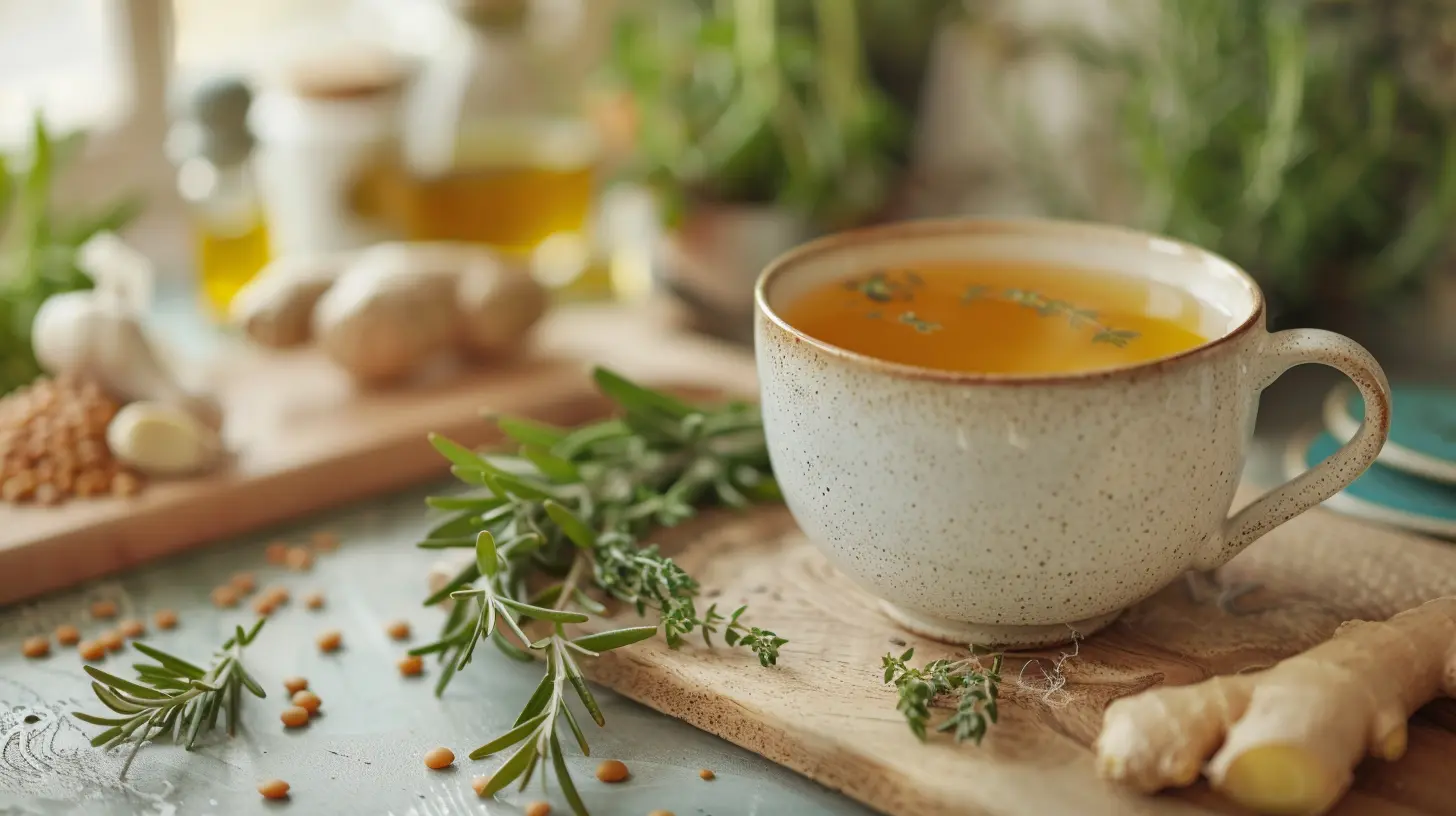
Ginger, Rosemary, and Hawthorn Warming Tea
Short description
This warming tea combines aromatic and traditionally circulatory herbs. It suits cold, sluggish patterns, but hawthorn needs caution with heart and blood pressure medications.
Ingredients with exact measurements
- 1 teaspoon fresh ginger, grated
- 1 teaspoon dried hawthorn berries
- 1/2 teaspoon dried rosemary leaf
- 1 cup hot water
- 1 teaspoon honey, optional
- 1 thin lemon slice, optional
Step-by-step preparation instructions
- Add hawthorn berries and ginger to a small saucepan.
- Add 1 cup water.
- Simmer gently for 10 minutes.
- Turn off the heat.
- Add rosemary and cover.
- Steep for 5 minutes.
- Strain into a cup.
- Add honey or lemon if desired.
How to use
Sip warm once daily. Avoid hawthorn unless a healthcare professional approves it if you use heart, blood pressure, or blood-thinning medication.
Food for support Poor Circulation
Warm Lentil Bowl with Ginger, Garlic, and Greens
Short description
This simple meal includes fiber-rich lentils, warming spices, garlic, greens, and olive oil. It supports a heart-friendly food pattern without making dinner complicated.
Ingredients with exact measurements
- 1 cup cooked lentils
- 1 cup baby spinach
- 1 small carrot, diced
- 1 garlic clove, minced
- 1 teaspoon fresh ginger, grated
- 1 tablespoon olive oil
- 1/4 teaspoon turmeric
- 1/8 teaspoon black pepper
- 1 teaspoon lemon juice
- 1 pinch sea salt, optional
Step-by-step preparation instructions
- Warm olive oil in a small pan.
- Add garlic, ginger, carrot, turmeric, and black pepper.
- Cook for 2 minutes.
- Add cooked lentils.
- Stir until warm.
- Add spinach and cook until wilted.
- Finish with lemon juice.
- Add a small pinch of salt if appropriate.
How to use
Eat warm as lunch or dinner. Pair it with a short walk if your healthcare professional says walking is safe for you.
What Herbs You Need
The herbs traditionally used for poor circulation include ginger, cayenne, hawthorn, ginkgo, rosemary, garlic, and yarrow. These herbs need careful use because several can interact with blood thinners, blood pressure medicines, heart medicines, or surgery plans.
Ginger
Latin name: Zingiber officinale
Key herbal actions:
Warming circulatory herb: traditionally supports warmth in cold patterns.
Carminative: helps ease gas and digestive heaviness.
Anti-inflammatory tradition: used in patterns involving discomfort and sluggishness.
Key active compounds relevant to this issue:
Gingerols, shogaols, zingerone, and volatile oils.
Cayenne
Latin name: Capsicum annuum
Key herbal actions:
Rubefacient: traditionally brings warmth to the skin when used externally.
Warming stimulant: supports cold, sluggish patterns in traditional herbalism.
Digestive stimulant: encourages warmth and digestive activity.
Key active compounds relevant to this issue:
Capsaicin, carotenoids, flavonoids, and vitamin C.
Hawthorn
Latin name: Crataegus species
Key herbal actions:
Circulatory tonic: traditionally supports cardiovascular wellness.
Cardiac nervine: traditionally used when stress affects the heart area.
Antioxidant herb: contains compounds studied for vascular oxidative stress.
Key active compounds relevant to this issue:
Oligomeric procyanidins, vitexin, hyperoside, flavonoids, and triterpenes.
Ginkgo
Latin name: Ginkgo biloba
Key herbal actions:
Circulatory tonic: traditionally supports peripheral and cerebral blood flow.
Antioxidant herb: contains compounds studied for oxidative stress.
Cognitive support herb: commonly used in memory and circulation formulas.
Key active compounds relevant to this issue:
Ginkgolides, bilobalide, flavonol glycosides, and terpene lactones.
Rosemary
Latin name: Salvia rosmarinus
Key herbal actions:
Aromatic stimulant: wakes up cold, dull, sluggish patterns.
Circulatory herb: traditionally supports warmth and movement.
Carminative: supports digestion when heaviness affects circulation patterns.
Key active compounds relevant to this issue:
Rosmarinic acid, carnosic acid, camphor, and 1,8-cineole.
Garlic
Latin name: Allium sativum
Key herbal actions:
Cardiovascular tonic tradition: commonly used in heart-health food traditions.
Warming herb: traditionally supports cold, sluggish patterns.
Antimicrobial tradition: long used in food and folk medicine.
Key active compounds relevant to this issue:
Allicin, alliin, ajoene, sulfur compounds, and flavonoids.
Yarrow
Latin name: Achillea millefolium
Key herbal actions:
Diaphoretic: traditionally supports surface circulation and sweating.
Astringent: gently tones tissues.
Bitter aromatic: supports digestion and movement in traditional formulas.
Key active compounds relevant to this issue:
Achilleine, flavonoids, sesquiterpene lactones, tannins, and volatile oils.
Key Herbal Products for Poor Circulation
Ginger Tea
Ginger tea uses fresh or dried ginger root. People often choose it when poor circulation feels cold, sluggish, or tied to digestion.
Pros: It tastes warming and works well as a kitchen herb.
Cons: It may worsen reflux or feel too hot for sensitive people.
Choose this form when cold hands or feet appear with chilliness.
Hawthorn Capsules or Tea
Hawthorn products include tea, capsules, tinctures, and extracts. People traditionally use hawthorn for cardiovascular wellness.
Pros: It has a long history as a heart-support herb.
Cons: It can interact with heart and blood pressure medications.
Choose this form only with professional guidance if heart or medication issues exist.
Ginkgo Extract
Ginkgo extract appears in capsules, tablets, and liquid extracts. People often choose it for circulation and cognitive support.
Pros: It comes in standardized products and has broad availability.
Cons: It may interact with blood thinners and surgery plans.
Choose this form only after checking medication safety.
Rosemary Tea or Tincture
Rosemary products include tea, tincture, capsules, and culinary use. People choose it when circulation feels cold, dull, or sluggish.
Pros: It tastes familiar and fits food or tea.
Cons: Strong preparations may feel too stimulating for some people.
Choose this form when you want a gentle aromatic approach.
Cayenne Cream
Cayenne cream contains capsaicin and is used externally. People commonly use it for warming local areas.
Pros: It brings noticeable warmth to the skin.
Cons: It can burn sensitive skin and must stay away from eyes.
Choose this form for localized coldness only when skin is intact.
FAQ
Is poor circulation always serious?
No. Cold hands and feet can happen from cold weather, stress, or long sitting. However, ongoing symptoms can signal blood vessel, heart, nerve, or metabolic issues.
When should I seek medical care?
Seek care for leg pain while walking, one-sided coldness, slow-healing sores, color changes, numbness, swelling, or worsening symptoms. Seek urgent care for chest pain, stroke symptoms, sudden limb pain, or a cold pale limb.
Can herbs replace circulation medicine?
No. Herbs should not replace prescribed medication or medical evaluation. Poor circulation can involve serious cardiovascular conditions.
Can walking help circulation?
Walking can support circulation for many people, and supervised walking often helps PAD management. Ask a healthcare professional first if you have pain, heart symptoms, or severe weakness.
Are warming herbs safe with blood thinners?
Not always. Ginger, garlic, ginkgo, hawthorn, and cayenne may raise interaction concerns. Check with a healthcare professional before combining them with blood thinners.
Is fresh or dried ginger better?
Both can work. Fresh ginger tastes brighter and juicier, while dried ginger tastes hotter and more concentrated.
Can pets use circulation herbs?
Do not give circulation herbs to pets without veterinary guidance. Circulation symptoms in pets need proper diagnosis.
References
National Heart, Lung, and Blood Institute: Peripheral Artery Disease
National Heart, Lung, and Blood Institute: Peripheral Artery Disease Causes and Risk Factors
National Heart, Lung, and Blood Institute: Peripheral Artery Disease Treatment
Mayo Clinic: Peripheral Artery Disease Symptoms and Causes
Mayo Clinic: Peripheral Artery Disease Diagnosis and Treatment
National Center for Complementary and Integrative Health: Hawthorn
National Center for Complementary and Integrative Health: Ginkgo
National Center for Complementary and Integrative Health: Ginger
PubMed Central: Ginger on Human Health, A Comprehensive Systematic Review
PubMed Central: Hawthorn in the Treatment of Cardiovascular Disease
Disclaimer
This article is for educational purposes only. It does not provide medical advice, diagnosis, or treatment. Poor circulation can involve heart disease, peripheral artery disease, blood clots, diabetes, nerve problems, or medication effects. Talk with a qualified healthcare professional if symptoms persist, worsen, or affect walking. Seek urgent care for chest pain, shortness of breath, stroke symptoms, sudden limb pain, one cold pale limb, severe swelling, or wounds that do not heal.