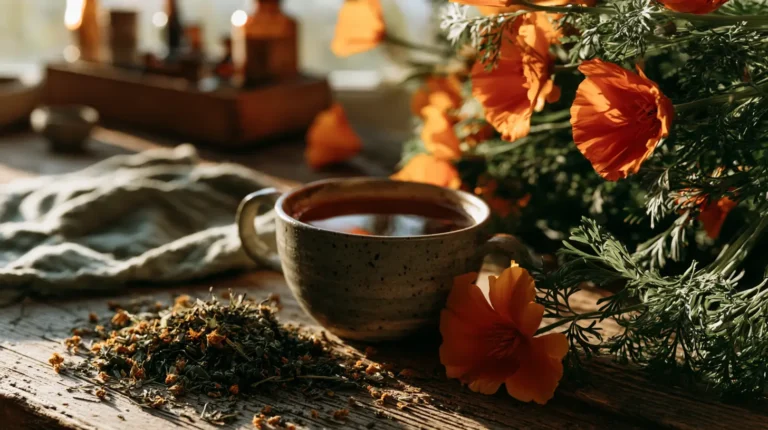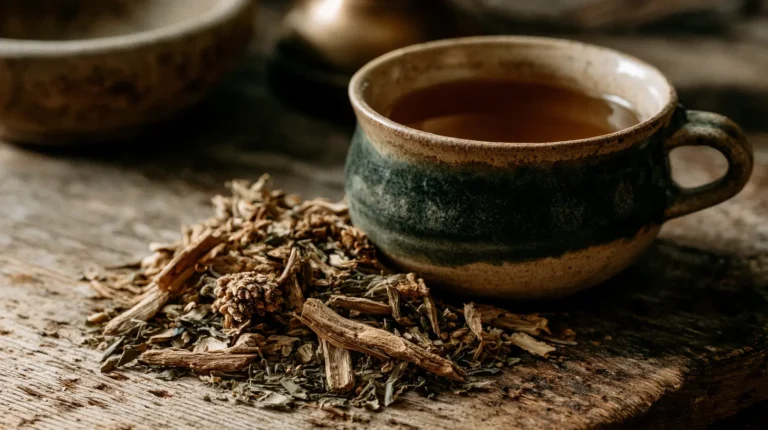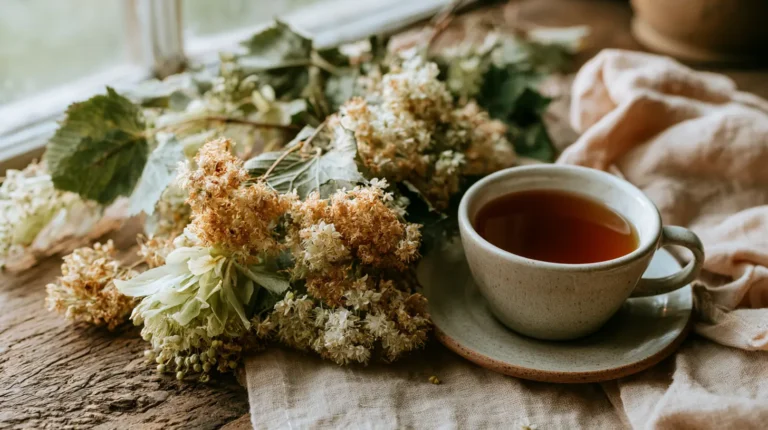

Stress is the body’s natural response to pressure, change, responsibility, uncertainty, or one too many browser tabs open in the mind. In everyday life, it may feel like tension, racing thoughts, shallow breathing, poor sleep, irritability, digestive discomfort, or the sense that your nervous system forgot where the “off” switch is.
Learn more about Stress
Stress happens when the brain and body respond to a challenge, demand, or perceived threat. In small amounts, stress can help a person focus, act quickly, and handle important tasks. When stress lasts too long or feels constant, the body may stay in a heightened state, which can affect sleep, mood, digestion, muscle tension, focus, and daily energy.
There are different types of stress in plain language. Acute stress is short-term and often linked to a specific event, such as a deadline, traffic, an argument, or a sudden problem. Chronic stress lasts longer and may come from ongoing work pressure, caregiving, financial strain, health concerns, relationship tension, or unresolved life demands. Emotional stress tends to live in worry, grief, anger, overwhelm, or fear, while physical stress may come from poor sleep, overwork, illness, pain, or undernourishment.
Common triggers include lack of sleep, heavy workload, family responsibilities, constant notifications, financial pressure, overstimulation, poor boundaries, loneliness, uncertainty, and major life transitions. Stress can show up differently from person to person. One person may feel wired and restless, another may feel exhausted and flat, and another may feel digestive upset, headaches, tight shoulders, or a short temper that arrives before breakfast.
Traditional herbalism often looks at stress through nervous system patterns. Some people are “wired and tired,” where the mind feels active but the body feels depleted. Some feel hot, tense, and irritable, where cooling and relaxing herbs may be more appropriate. Some feel low, heavy, and worn down, where nourishing nervines and adaptogens may be chosen more carefully. Some carry stress in the belly, where digestive herbs may be useful alongside calming herbs.
Herbs are traditionally selected based on how stress shows up. Relaxing nervines are often used when stress feels tense, restless, or sleep-disrupting. Nourishing nervines are chosen when stress feels long-term, depleted, or emotionally thin. Adaptogens are traditionally used for resilience during ongoing stress, though they are not one-size-fits-all and may not be appropriate for everyone. Aromatic herbs may be chosen when stress affects digestion, mood, or breathing rhythm.
How Herbs Can Help Stress
How Herbalism Traditionally Approaches This Issue
Herbalism often sees stress as a nervous system pattern that may involve tension, depletion, overstimulation, poor sleep rhythm, digestive upset, or difficulty shifting out of “go mode.” The main herbal actions used include nervines, which support the nervous system; adaptogens, which are traditionally used for resilience during ongoing stress; aromatics, which help settle stress-related digestion; and gentle sedatives, which support evening relaxation. Herbalists choose between these actions based on whether stress feels wired, exhausted, tense, irritable, heavy, digestive, or sleep-disrupting. The herbs which can support us when we are stressed are: lemon balm, chamomile, passionflower, oat straw, lavender, holy basil (tulsi), rosehip, nettle, skullcap, peppermint, ashwagandha, turmeric, cinnamon, black pepper, spearmint, fennel, hawthorn, California poppy, rosemary.
“Stress is what happens when your mind opens 47 tabs and three of them start playing music. Herbs cannot close your tabs for you, but a warm cup of tea can help you find the mute button.”
Recipes & Remedies Stress
Herbal Preparations
Lemon Balm, Chamomile & Passionflower Calm Tea
Short description
This gentle tea combines three classic calming herbs often used in traditional herbalism when the mind feels busy and the body wants a softer landing. It is simple, pleasant, and especially nice in the late afternoon or evening.
Ingredients with exact measurements
1 teaspoon dried lemon balm
1 teaspoon dried chamomile flowers
1 teaspoon dried passionflower aerial parts
1 cup hot water
1 teaspoon honey, optional
Step-by-step preparation instructions
Place lemon balm, chamomile, and passionflower in a mug.
Pour hot water over the herbs.
Cover the mug to keep the aromatic compounds from escaping.
Steep for 10 to 15 minutes.
Strain well.
Add honey if desired.
Sip warm.
How to use
Drink 1 cup in the evening or during a quiet break when you want a calming ritual. Passionflower may cause drowsiness, dizziness, or confusion in some people, so avoid driving or operating machinery after using it until you know how it affects you. Avoid passionflower during pregnancy unless professionally guided, and ask a healthcare professional before combining calming herbs with sedatives, alcohol, sleep medications, anxiety medications, or other prescription drugs.
Food for support Stress
Oatmeal with Blueberries, Walnuts & Cinnamon
Short description
This simple bowl is warm, grounding, and easy to make when stress has turned breakfast into a negotiation. Oats, walnuts, blueberries, and cinnamon make a steady, comforting meal that fits well into a stress-supportive routine.
Ingredients with exact measurements
1/2 cup rolled oats
1 cup water or milk of choice
1/2 cup blueberries, fresh or frozen
1 tablespoon chopped walnuts
1/2 teaspoon cinnamon
1 teaspoon honey or maple syrup, optional
1 pinch sea salt
Step-by-step preparation instructions
Add oats, water or milk, and sea salt to a saucepan.
Bring to a gentle simmer over medium heat.
Cook for 5 to 7 minutes, stirring often, until creamy.
Stir in blueberries during the last 1 to 2 minutes of cooking.
Remove from heat.
Pour into a bowl.
Top with walnuts, cinnamon, and honey or maple syrup if desired.
How to use
Enjoy as a steady breakfast or evening comfort meal. Pair it with a few slow breaths and a screen-free moment if possible. Store leftovers in the refrigerator for up to 2 days and reheat with a splash of water or milk.
What Herbs You Need
For stress support, the main herbs and ingredients used in these recipes are lemon balm, chamomile, passionflower, oats, blueberries, walnuts, and cinnamon. These herbs and foods are traditionally used to support calm, nourishment, digestion, relaxation, and steady daily rhythms rather than to force the body into instant peace on command.
Lemon Balm
Latin name: Melissa officinalis
Key herbal actions:
Nervine: traditionally used to support the nervous system during tension or restlessness.
Carminative: supports digestion when stress settles in the belly.
Aromatic: contains fragrant compounds that give it a bright, uplifting character.
Key active compounds:
Rosmarinic acid, citral, citronellal, flavonoids.
Chamomile
Latin name: Matricaria chamomilla or Chamaemelum nobile
Key herbal actions:
Nervine: traditionally used for relaxation and emotional comfort.
Carminative: supports digestion and reduces occasional gas or tension after meals.
Mild bitter: gently supports digestive function.
Key active compounds:
Apigenin, bisabolol, chamazulene, flavonoids.
Passionflower
Latin name: Passiflora incarnata
Key herbal actions:
Relaxing nervine: traditionally used when stress feels busy, restless, or mentally repetitive.
Gentle sedative: traditionally used to support evening relaxation.
Antispasmodic: traditionally used when tension feels held in the body.
Key active compounds:
Flavonoids, vitexin, isovitexin, harmala alkaloids in small amounts.
Oats
Latin name: Avena sativa
Key herbal actions:
Nutritive: provides steady nourishment in food and herbal traditions.
Nervine trophorestorative: traditionally used to nourish and support the nervous system over time.
Grounding food: supports a steady meal rhythm, which can be helpful during stress.
Key active compounds:
Beta-glucans, avenanthramides, minerals, fiber.
Blueberry
Latin name: Vaccinium spp.
Key herbal actions:
Antioxidant-rich food: provides polyphenols that support general wellness.
Nutritive: contributes fiber and plant compounds in a simple food form.
Cooling food: traditionally viewed as light, juicy, and refreshing.
Key active compounds:
Anthocyanins, flavonoids, vitamin C, fiber.
Walnut
Latin name: Juglans regia
Key herbal actions:
Nutritive: provides fats, minerals, and protein in food form.
Nervous-system supportive food: commonly used in a balanced diet to support steady energy.
Grounding food: adds richness and satiety.
Key active compounds:
Alpha-linolenic acid, polyphenols, magnesium, vitamin E.
Cinnamon
Latin name: Cinnamomum verum or Cinnamomum cassia
Key herbal actions:
Warming aromatic: traditionally used to bring warmth and comfort.
Carminative: supports digestion and helps reduce occasional gas.
Flavor harmonizer: helps make simple foods feel cozy and satisfying.
Key active compounds:
Cinnamaldehyde, eugenol, procyanidins.
Key Herbs & Ingredients for Stress
Lemon Balm Tea
Lemon balm tea is a gentle herbal infusion made from the dried or fresh leaves of Melissa officinalis. It is commonly used when stress feels restless, digestive, or emotionally “buzzy.”
Pros: Pleasant lemony flavor, easy to prepare, gentle for many adults.
Cons: It may not feel strong enough for people looking for a deeply sedating herb.
Best choice when: Someone wants a daytime calming tea that does not feel heavy.
Chamomile Tea
Chamomile tea is one of the most familiar calming herbal teas and is commonly used in evening routines. It has a soft floral flavor and is often chosen when stress affects sleep, digestion, or general comfort.
Pros: Widely available, beginner-friendly, pleasant with honey.
Cons: Not suitable for people allergic to ragweed or plants in the daisy family.
Best choice when: Someone wants a simple evening tea for relaxation and digestive ease.
Passionflower Tincture
Passionflower tincture is a concentrated liquid extract made from Passiflora incarnata. It is commonly used when stress feels mentally repetitive, restless, or sleep-disrupting.
Pros: Portable, concentrated, and easy to combine with other nervines.
Cons: May cause drowsiness and may not be appropriate with sedatives, alcohol, or certain medications.
Best choice when: Someone wants a stronger calming format than tea and has checked safety considerations.
Ashwagandha Capsules or Powder
Ashwagandha is an adaptogenic root traditionally used in Ayurveda for resilience during ongoing stress. It is often sold as capsules, powder, tincture, or tea blends.
Pros: Convenient and commonly studied for stress-related outcomes.
Cons: Not appropriate for everyone; NCCIH notes safety concerns including possible liver injury, and it should be avoided during pregnancy. It may also interact with thyroid medications, sedatives, immune-suppressing drugs, and other medications.
Best choice when: Someone wants an adaptogen for ongoing stress support and has checked whether it fits their health situation.
Lavender Tea or Aromatic Sachets
Lavender is commonly used in teas, sachets, bath blends, and aromatherapy-style preparations. It is often chosen when stress feels tense, irritable, or sleep-disrupting.
Pros: Lovely aroma, versatile, and easy to use in small amounts.
Cons: The flavor can become soapy or overpowering if too much is used, and essential oils require careful safety handling.
Best choice when: Someone wants gentle sensory support through aroma, evening tea, or a calming bedtime ritual.
FAQ
Is stress always bad?
No. Short-term stress can help you respond to challenges, focus, and take action. The concern is when stress becomes constant, overwhelming, or starts affecting sleep, mood, digestion, relationships, or daily functioning.
Can herbs make stress go away?
Herbs should not be presented as a way to make stress disappear. In traditional herbalism, they are used to support the nervous system, relaxation, digestion, sleep rhythm, and resilience. Stress usually responds best to a bigger plan that includes rest, boundaries, movement, food, support, and sometimes professional care.
Can I drink calming tea every day?
Many gentle teas, such as chamomile or lemon balm, are commonly used as daily wellness teas by healthy adults. However, daily use is not right for everyone, especially during pregnancy, breastfeeding, with medical conditions, allergies, or medication use. Rotate herbs and start with small amounts to see how your body responds.
What does stress-support tea taste like?
Lemon balm tastes light and lemony, chamomile tastes floral and slightly apple-like, and passionflower tastes earthy and mild. Adding honey, cinnamon, or a small amount of mint can make calming blends more pleasant. Stronger herbs are not always better; sometimes the tea you will actually drink wins.
Is fresh lemon balm better than dried lemon balm?
Fresh lemon balm is bright, fragrant, and wonderful when available. Dried lemon balm is more convenient and works well for everyday tea. Use good-quality dried herbs that still smell fresh, not dusty or faded.
How should dried stress-support herbs be stored?
Store dried herbs in airtight containers away from heat, light, and moisture. Most leafy and floral herbs are best used within about 6 to 12 months for flavor and aroma. If an herb no longer smells like much, it probably will not bring much to the cup either.
Are calming herbs safe for pets?
Do not give calming herbs, tinctures, essential oils, or tea blends to pets unless a veterinarian approves. Cats and dogs process many plant compounds differently than humans. Essential oils are especially risky around pets and should be handled with care.
References
NIMH: I’m So Stressed Out! Fact Sheet
NCCIH: Anxiety and Complementary Health Approaches
NCCIH: Passionflower — Usefulness and Safety
NCCIH: Ashwagandha — Usefulness and Safety
PubMed Central: The Effect of Oral Chamomile on Anxiety — A Systematic Review
PubMed: Effects of Lavender on Anxiety — A Systematic Review and Meta-Analysis
PubMed: Effects of Ashwagandha on Stress and Anxiety — Systematic Review and Meta-Analysis
PubMed: Ashwagandha Randomized Double-Blind Placebo-Controlled Study
Disclaimer
This article is for educational purposes only and is not medical advice, diagnosis, or treatment. Stress can be connected with many physical, emotional, social, and medical factors, and persistent or overwhelming stress deserves proper support. Herbs, foods, teas, supplements, and home practices should not replace care from a qualified healthcare professional. Speak with a healthcare provider before using herbs or supplements if you are pregnant, breastfeeding, taking medication, managing a health condition, preparing herbs for children, or experiencing severe anxiety, depression, panic, insomnia, trauma symptoms, or thoughts of self-harm.