
Violet: Traditional Uses, Actions, and Herbal Practice
Violet is traditionally used to soothe irritated tissues, support lymphatic movement, and gently nourish the respiratory and skin systems.
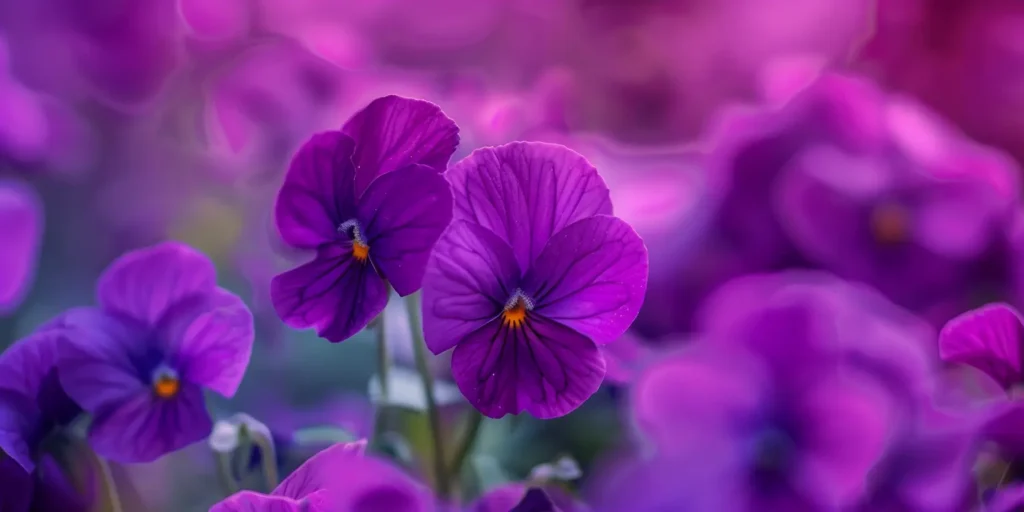
Latin (botanical) name: Viola odorata (most commonly used species)
Plant family: Violaceae
Common names: Sweet violet, garden violet
Traditional use overview:
Violet has a long history in Western herbalism as a cooling and softening herb. Traditionally, it was used for hot, dry, or irritated conditions affecting the skin, lymphatic system, and respiratory tract. Herbalists often turned to violet when gentleness was required—especially for children, sensitive individuals, or chronic patterns of dryness and congestion.
Herbal Actions
Violet is traditionally associated with the following actions:
- Alterative – supports gradual tissue and metabolic balance
- Lymphatic – encourages gentle lymph movement
- Demulcent – soothes dry or irritated tissues
- Cooling – calms heat and inflammation
- Mild expectorant – supports respiratory moisture and clearance
These actions describe traditional functional use rather than medical treatment.
Practical Uses
In Western herbalism, violet is commonly used for dry coughs, lymphatic congestion, skin irritation, and states of heat or tension in the tissues. It is often chosen when stronger stimulating herbs feel inappropriate. Violet works best through consistency, offering slow, steady support rather than rapid change.
Product Forms
Violet is available in several traditional and modern preparations:
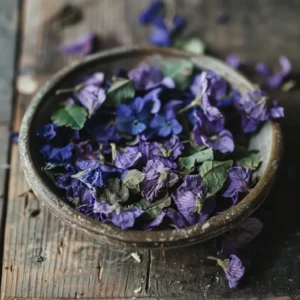
- Dried leaf and flower – teas and infusions
- Fresh plant tincture – alcohol extracts
- Syrups – especially for respiratory support
- Topical salves and oils – for skin application
- Glycerites – alcohol-free internal use
Fresh preparations are often preferred when available.
Traditional Herbal Recipes
- Violet Leaf Infusion
A cooling tea traditionally used for internal dryness and heat. - Violet Syrup
A classic preparation for soothing the throat and respiratory tract. - Violet Skin Salve
Traditionally applied to irritated or inflamed skin. - Lymphatic Tea Blend
Violet combined with other gentle lymphatic herbs.
Parts Used
- Leaves
- Flowers
- Occasionally the whole aerial plant
Usage Forms & Shelf Life
Internal vs external use:
Used both internally and externally.
Common preparations:
Infusions, tinctures, syrups, glycerites, oils, salves
Shelf-life ranges:
- Dried herb: 1 year
- Tinctures: 3–5 years
- Syrups: 6–12 months refrigerated
- Oils and salves: 1–2 years
Safety & Considerations and Dosage Guidelines
Violet is considered very gentle in traditional practice and is often used for children or sensitive individuals. It is typically taken in moderate amounts over time rather than in large doses. Fresh plant preparations are traditionally favored for internal use.
Side Effects & Contraindications
Violet is generally well tolerated. Very large amounts may cause mild digestive upset in some individuals. As with any herb, proper identification is essential to avoid confusion with ornamental or non-medicinal species.
Active Constituents
Mucilage
- Compounds: polysaccharides
- Traditional role: tissue soothing and moisture retention
- Best extraction: cold or warm water infusions
Flavonoids
- Compounds: rutin, quercetin derivatives
- Traditional role: antioxidant and tissue support
- Best extraction: water and alcohol
Saponins
- Traditional role: mild expectorant activity
- Best extraction: alcohol tincture
Salicylic Acid Derivatives
- Traditional role: cooling and soothing effects
- Quantitative data: present in small amounts
National Center for Biotechnology Information
How It Works
Traditionally, violet is understood to work by cooling heat, moistening dry tissues, and gently encouraging lymphatic flow. Modern research highlights its mucilage content and antioxidant compounds, which align closely with its long-standing use for soothing and protective support
Journal of Ethnopharmacology.
Processing Cautions
Violet leaves and flowers should be dried quickly and gently to preserve color and mucilage. Overheating during drying can reduce potency. Fresh plant preparations should be processed promptly after harvest.
Quick Herb Overview
- Botanical family: Violaceae
- Parts used: Leaf, flower, aerial parts
- Energetics: Cooling, moistening
- Taste profile: Mild, slightly sweet, green
Herb Identification
Visual traits:
Heart-shaped leaves, low-growing habit, purple or violet flowers with a delicate fragrance.
Growth habit:
Perennial groundcover spreading through runners.
Look-alikes and safety notes:
True medicinal violets (Viola species) should not be confused with ornamental pansies unless properly identified.
Selecting Quality Herb
Choose vibrant green leaves and richly colored flowers free from browning or musty odor. Fresh violet should smell clean and lightly green. Dried herb should retain color and softness.
Natural Growing Areas
Violet is native to Europe and parts of Asia and has naturalized widely in North America. It prefers shaded, moist environments.
Growing Tips
Violet grows well in partial shade with rich, moist soil. It spreads readily and benefits from gentle harvesting that allows regrowth. Avoid overly dry or compacted soils.
Frequently Asked Questions
Is violet a strong herb?
No. Violet is considered gentle and subtle in traditional practice.
Is violet better fresh or dried?
Fresh preparations are traditionally preferred, though dried herb is still effective.
Is violet mainly used for the skin?
Skin support is common, but violet is also used internally for lymphatic and respiratory balance.
Can violet be used long term?
Yes. It is often used over extended periods for gradual support.
Is violet appropriate for children?
Traditionally, yes, due to its gentle nature.
Does violet combine well with other herbs?
Very well, especially with other cooling or lymphatic herbs.
References
- National Center for Biotechnology Information
- Journal of Ethnopharmacology
- European Medicines Agency – Herbal Monographs
This content is for educational purposes only and reflects traditional herbal understanding. It is not intended to diagnose, treat, cure, or prevent any disease.