
Boneset: Traditional Uses, Actions, and Herbal Practice
Boneset is valued as a decisive, short-term herb traditionally chosen when the body needs encouragement to respond and move through acute challenges.
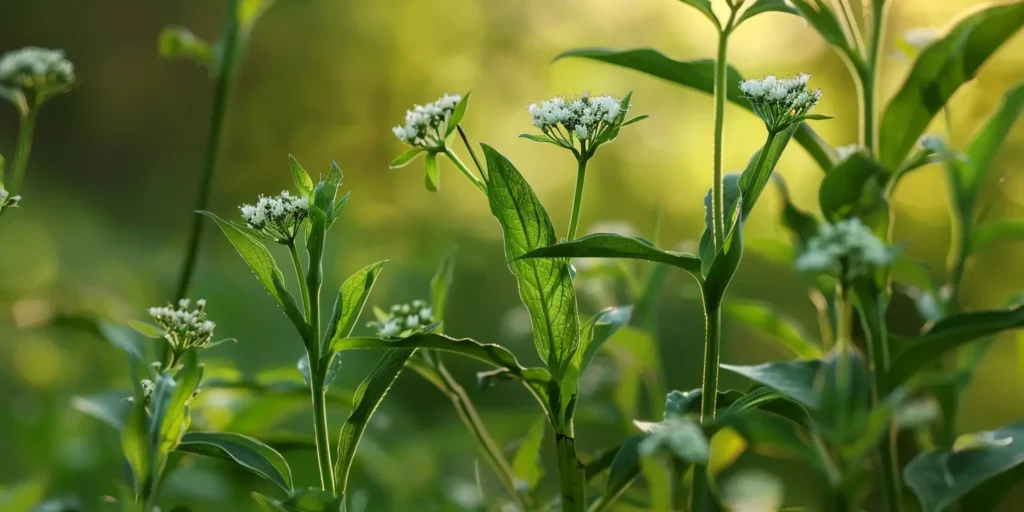
Latin (botanical) name: Eupatorium perfoliatum
Plant family: Asteraceae
Common names: Boneset, thoroughwort, agueweed
Traditional use overview:
Boneset is native to North America and was widely used by Indigenous peoples and early American herbalists. Traditionally, it was selected during acute, febrile states associated with chills, body aches, and fatigue. In Western herbalism, boneset is viewed as a situational immune stimulant and diaphoretic, used briefly and intentionally rather than as a tonic.
Herbal Actions
Boneset is traditionally associated with the following actions:
- Immune stimulant – encourages a prompt immune response during acute situations
- Diaphoretic – supports gentle sweating and heat regulation
- Bitter tonic – stimulates digestive and metabolic signaling
- Anti-inflammatory – traditionally used when inflammatory discomfort accompanies acute stress
These actions are described in traditional functional terms, not as medical treatment.
Practical Uses
In Western herbal practice, boneset is most often used early in acute immune stress, especially when symptoms include chills, heaviness, and pronounced fatigue. Herbalists emphasize short duration and close observation, discontinuing use once intensity subsides. Boneset is not considered appropriate for long-term or preventive use.
Product Forms
Boneset is available in several preparations:
- Dried aerial parts – commonly used for teas and infusions
- Liquid extracts (tinctures) – alcohol-based preparations for short-term use
- Capsules – powdered herb, less common
- Compound formulas – blended with complementary herbs to moderate intensity
Hot infusions are among the most traditional preparations.
Traditional Herbal Recipes
- Hot Boneset Infusion
A strong, hot tea traditionally taken short term to encourage sweating. - Acute Immune Tincture
A brief course of tincture used during early stages of immune challenge. - Compound Diaphoretic Blend
Boneset combined with aromatic herbs to balance bitterness. - Traditional Cold-Stage Formula
Used historically during chills preceding heat.
Parts Used
- Aerial parts (leaves, stems, flowers), harvested during flowering
Usage Forms & Shelf Life
Internal vs external use:
Primarily internal.
Common preparations:
Hot infusions, tinctures, capsules
Shelf-life ranges:
- Dried herb: 1–2 years
- Tinctures: 3–5 years
- Capsules: 1–2 years
Safety & Considerations and Dosage Guidelines
Boneset is traditionally used short term only. Herbalists emphasize modest amounts and careful timing, avoiding prolonged use. Because of its bitterness and intensity, it is often combined with other herbs to improve tolerance.
Side Effects & Contraindications
Excessive use may cause nausea or digestive discomfort due to strong bitterness. Boneset is traditionally avoided during pregnancy and is not used long term. Individuals sensitive to plants in the Asteraceae family should use caution.
Active Constituents
Sesquiterpene Lactones
- Compounds: eupatorin, eupafolin
- Traditional role: associated with bitterness and immune-stimulating activity
- Best extraction: alcohol or hot water
- Quantitative data: sesquiterpene lactones are present in low percentages typical of bitter herbs
National Center for Biotechnology Information
Flavonoids
- Compounds: quercetin derivatives
- Traditional role: antioxidant and supportive activity
- Best extraction: hot water and hydroalcoholic preparations
Volatile Compounds
- Traditional role: supportive of diaphoretic action
- Best extraction: hot infusions
How It Works
Traditionally, boneset is understood to work by engaging immune responsiveness and promoting heat circulation, particularly through sweating. Modern research suggests its constituents influence inflammatory mediators and immune signaling, helping explain its historical use during acute, systemic stress
Journal of Ethnopharmacology.
Processing Cautions
Boneset should be properly dried and stored to preserve activity. Over-concentration may increase bitterness and reduce tolerability. Hot water extraction is traditionally favored for its diaphoretic qualities.
Quick Herb Overview
- Botanical family: Asteraceae
- Parts used: Aerial parts
- Energetics: Cooling, drying
- Taste profile: Strongly bitter
Herb Identification
Visual traits:
Opposite, perfoliate leaves joined around the stem; clusters of small white flowers.
Growth habit:
Perennial herb growing in moist meadows and wetlands.
Look-alikes and safety notes:
Correct identification is essential, as other Eupatorium species differ in use.
Selecting Quality Herb
Choose dried boneset with intact leaves and flowers, a greenish color, and strong bitterness. Products should clearly state Eupatorium perfoliatum and aerial parts used.
Natural Growing Areas
Native to eastern and central North America, commonly found in damp meadows, stream edges, and lowlands.
Growing Tips
Boneset prefers moist soil and partial to full sun. It is hardy and low-maintenance once established, spreading naturally in suitable conditions.
Frequently Asked Questions
Is boneset meant for daily use?
No. Traditionally, boneset is used briefly during acute situations and then discontinued.
Why is boneset so bitter?
Its bitterness comes from sesquiterpene lactones, which are traditionally associated with its actions.
Does boneset need to be taken hot?
Hot infusions were traditionally preferred to encourage sweating, though tinctures are also used.
Is boneset a tonic herb?
No. It is considered an acute, situational herb rather than a tonic.
Can boneset be combined with other herbs?
Yes. It is often blended to moderate bitterness or broaden action.
Is boneset warming or cooling?
It is traditionally considered cooling, despite its use with heat and sweating.
References
- National Center for Biotechnology Information
- Journal of Ethnopharmacology
- American Herbal Pharmacopoeia
This content is for educational purposes only and reflects traditional herbal understanding. It is not intended to diagnose, treat, cure, or prevent any disease.