
Shiitake: Traditional Uses, Actions, and Herbal Practice
Shiitake is valued as a food-herb that quietly strengthens resilience, bridging nourishment and immune support.
Latin (botanical) name: Lentinula edodes
Plant family: Omphalotaceae
Common names: Shiitake, black forest mushroom
Traditional use overview:
While shiitake originates in East Asian traditions, it has been thoughtfully adopted into Western herbalism as a nutritive immune tonic. Western herbalists traditionally emphasize its use as a food-based herb, supporting immune resilience, recovery, and overall vitality through regular dietary inclusion rather than short-term intervention.
Herbal Actions
Shiitake is traditionally associated with the following actions:
- Immune modulator – supports balanced immune responsiveness
- Nutritive tonic – provides nourishment alongside herbal activity
- Antioxidant – contributes to protection from oxidative stress
- Adaptogenic support – gently supports the body during ongoing stress
- Anti-inflammatory – traditionally used to moderate inflammatory processes
These actions reflect traditional functional use, not medical treatment.
Practical Uses
In Western herbalism, shiitake is most often used as part of daily nourishment, rather than as an acute remedy. It is commonly chosen for long-term immune resilience, recovery after stress, and seasonal support. Herbalists value shiitake for its gentle nature and suitability for consistent use over time.
Product Forms
Shiitake is available in several traditional and modern preparations:
- Fresh mushrooms – culinary use as a food-herb
- Dried mushroom slices – used for cooking or decoction
- Powdered mushroom – added to capsules, broths, or beverages
- Extract powders – concentrated water or dual extracts
- Capsules and tablets – powdered or extracted forms
Food-based preparations remain the most traditional approach in Western practice.
Traditional Herbal Recipes
- Shiitake Broth or Soup
Slow-simmered mushrooms used regularly as a nourishing tonic food. - Shiitake Decoction
Dried mushrooms simmered for extended extraction. - Powdered Shiitake Blend
Combined with other tonic herbs or mushrooms for capsule use. - Restorative Culinary Preparation
Shiitake incorporated into daily meals for long-term support.
Parts Used
- Fruiting body (the edible mushroom cap and stem)
Usage Forms & Shelf Life
Internal vs external use:
Primarily internal.
Common preparations:
Culinary use, decoctions, powders, extracts, capsules
Shelf-life ranges:
- Dried mushrooms: 1–2 years when properly stored
- Powdered forms: 1–2 years
- Extract powders: 2–3 years
Safety & Considerations and Dosage Guidelines
Shiitake is traditionally considered safe and gentle for regular use as a food-herb. Herbalists emphasize consistency rather than quantity. It is typically introduced gradually, especially in concentrated supplemental forms.
Side Effects & Contraindications
Some individuals may experience digestive sensitivity when consuming large amounts. Rare skin reactions from raw or undercooked shiitake have been reported, so proper cooking is traditionally advised. Concentrated extracts may require additional caution for sensitive individuals.
Active Constituents
Polysaccharides (Beta-glucans)
- Compounds: lentinan (β-1,3-glucan with β-1,6 branches)
- Traditional role: associated with immune modulation and resilience
- Best extraction: hot water decoction
- Quantitative data: beta-glucans may comprise approximately 20–40% of dried shiitake fruiting body
National Center for Biotechnology Information
Sterols
- Compounds: ergosterol
- Traditional role: nutritive and antioxidant support
- Best extraction: cooking and alcohol extraction
Amino Acids and Minerals
- Traditional role: nutritional support and vitality
- Best extraction: culinary preparation
How It Works
Traditionally, shiitake is understood to work by supporting immune balance through nourishment, rather than stimulation. Modern research suggests its beta-glucans interact with immune signaling pathways and antioxidant systems, helping explain its reputation as a steady, long-term ally
Journal of Ethnopharmacology.
Processing Cautions
Shiitake should be thoroughly cooked or properly extracted to improve digestibility and availability of constituents. Short infusions are insufficient for extraction. Concentrated products should clearly state whether fruiting body or mycelium is used.
Quick Herb Overview
- Botanical family: Omphalotaceae
- Parts used: Fruiting body
- Energetics: Neutral to slightly warming
- Taste profile: Savory, earthy, umami
Herb Identification
Visual traits:
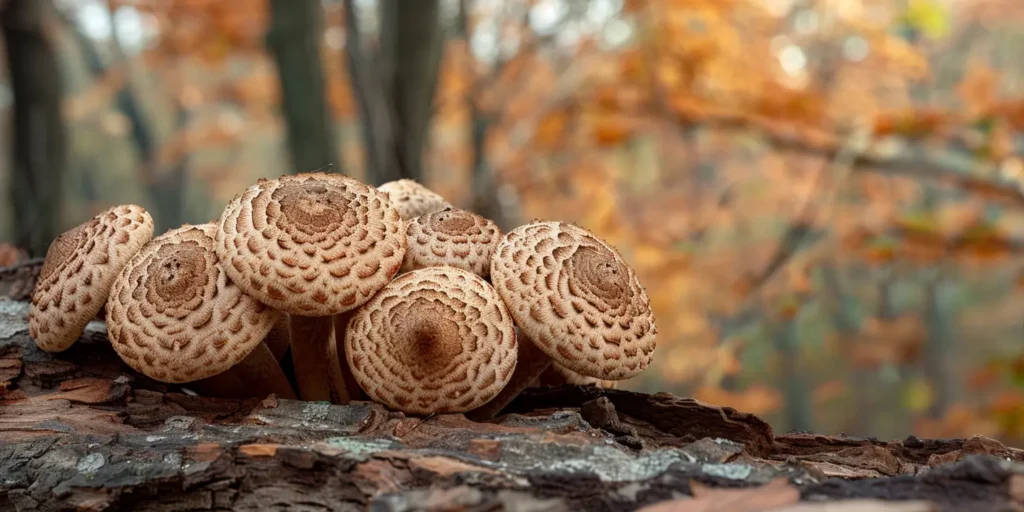
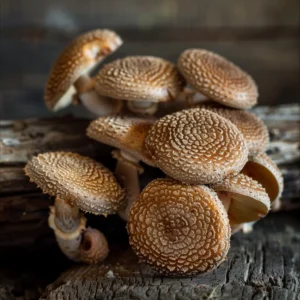
Brown, umbrella-shaped caps with pale gills; firm stems.
Growth habit:
Wood-decomposing mushroom growing on hardwood logs.
Look-alikes and safety notes:
Distinctive appearance reduces confusion, but correct identification of cultivated or wild-harvested mushrooms is essential.
Selecting Quality Herb
Choose mushrooms that are firm, aromatic, and free from mold or excessive brittleness. Extract products should specify fruiting body content, extraction method, and absence of grain fillers.
Natural Growing Areas
Native to East Asia; widely cultivated worldwide on hardwood logs and sawdust blocks.
Growing Tips
Shiitake can be grown on hardwood logs or inoculated blocks. Growth is slow and seasonal, with harvest occurring once caps fully open.
Frequently Asked Questions
Is shiitake meant for daily use?
Traditionally, yes. Shiitake is often used regularly as a food-herb rather than intermittently.
Is shiitake considered an immune stimulant?
No. It is generally viewed as an immune modulator that supports balance.
Does shiitake need to be cooked?
Yes. Cooking improves digestibility and traditional suitability.
Can shiitake be used as both food and supplement?
Yes. Culinary and supplemental uses are both common.
Is shiitake suitable during stress or fatigue?
Traditionally, it is valued for gentle support during ongoing demands.
How long does it take to notice effects?
Shiitake works gradually, with benefits often developing through consistent use.
References
This content is for educational purposes only and reflects traditional herbal understanding. It is not intended to diagnose, treat, cure, or prevent any disease.