
Andrographis paniculata: Traditional Uses, Actions
Andrographis paniculata is most often discussed as a short-term immune stimulant, valued not for gentle nourishment or long-term tonification, but for its ability to prompt a strong physiological response when the body appears sluggish or overwhelmed.
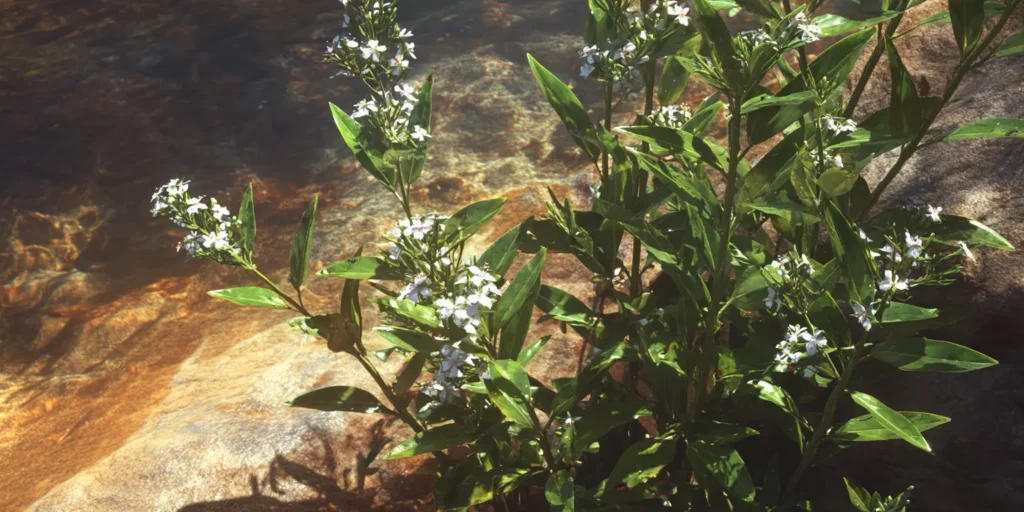
Latin (botanical) name: Andrographis paniculata
Plant family: Acanthaceae
Common names: Andrographis, King of Bitters, Green Chiretta
Traditional use overview:
Although native to South and Southeast Asia, andrographis entered Western herbal practice through cross-cultural exchange and modern herbal literature. It has traditionally been used in acute situations where immune responsiveness, heat clearance, or systemic bitterness were considered appropriate. Western herbalists typically frame its use as situational rather than constitutional, emphasizing timing and duration over daily use.
Herbal Actions
Andrographis is commonly described with the following traditional actions:
- Immune stimulant – encourages an active immune response when needed
- Bitter tonic – stimulates digestive and metabolic secretions through taste reflex
- Cooling – traditionally associated with heat-clearing patterns
- Anti-inflammatory – supports modulation of inflammatory processes
These actions are understood functionally, not diagnostically, and are most relevant in short-term protocols.
Practical Uses
In Western herbalism, andrographis is typically used at the early stages of acute immune stress, especially when symptoms feel strong, sudden, or systemic. Its bitterness and cooling nature often make it less suitable for long-term use or for individuals with depleted or cold constitutions, a distinction commonly emphasized in traditional practice.
Product Forms
Andrographis is available in several commercial forms:
- Capsules or tablets – common due to the herb’s intense bitterness
- Liquid extracts (tinctures) – alcohol or hydroalcoholic preparations
- Standardized extracts – often labeled by andrographolide content
- Powdered herb – less commonly used alone due to taste
Capsules are frequently chosen to improve compliance.
Four Traditional Herbal Recipes
- Acute Bitter Capsule Formula
Finely powdered andrographis encapsulated for short-term use at the onset of immune challenge. - Cooling Immune Tincture
A simple single-herb tincture used briefly and discontinued once acute intensity passes. - Compound Bitter Blend
Combined with milder bitters to soften intensity while preserving action. - Short-Term Decoction (Traditional Use)
Rare in modern Western practice due to bitterness, but historically documented.
Parts Used
- Aerial parts (leaves and stems), harvested while the plant is in active growth
Usage Forms & Shelf Life
Internal vs external use:
Primarily used internally. External use is uncommon in Western herbalism.
Common preparations:
Capsules, tinctures, standardized extracts
Shelf-life ranges:
- Dried herb: 1–2 years
- Tinctures: 3–5 years
- Capsules: per manufacturer stability data, typically 2–3 years
Safety & Considerations and Dosage Guidelines
Andrographis is traditionally used short term only. Herbalists emphasize conservative dosing and discontinuation once the acute phase has passed. Bitter sensitivity and constitutional suitability are important considerations.
Side Effects & Contraindications
Possible effects may include digestive discomfort due to bitterness. It is traditionally avoided during pregnancy and not used continuously over long periods. Individuals sensitive to strong bitters may require caution.
Active Constituents
Diterpene lactones (andrographolides)
- Key compounds: andrographolide, deoxyandrographolide
- Traditional role: associated with bitterness and immune activity
- Extraction: alcohol and standardized extracts
- Quantitative data: standardized products often contain 10–30% andrographolides according to pharmacognosy references
National Center for Biotechnology Information
Flavonoids and polyphenols
- Support antioxidant and modulatory actions
- Best extracted in hydroalcoholic solutions
How It Works
From a traditional perspective, andrographis works through intense bitterness and cooling energetics, influencing digestive signaling and systemic responsiveness. Modern research suggests interaction with inflammatory mediators and immune signaling pathways, supporting its historical reputation for decisive, short-term use
Journal of Ethnopharmacology.
Processing Cautions
Over-processing or excessive concentration may amplify bitterness beyond tolerability. Standardization improves consistency but may reduce the complexity found in whole-herb preparations.
Quick Herb Overview
- Botanical family: Acanthaceae
- Parts used: Aerial parts
- Energetics: Cooling, drying
- Taste profile: Extremely bitter
Herb Identification
Visual traits:
Slender green stems, lance-shaped leaves, small white to pale purple flowers with markings.
Growth habit:
Annual herb, upright and branching.
Look-alikes and safety notes:
Correct identification is important, as bitterness alone is not a reliable marker.
Selecting Quality Herb
Choose products that specify botanical name, part used, and extraction method. For standardized extracts, andrographolide percentage should be clearly stated.
Natural Growing Areas
Native to India and Sri Lanka, widely cultivated throughout Southeast Asia, and grown commercially in tropical regions.
Growing Tips
Andrographis prefers warm climates, well-drained soil, and full sun. It grows quickly and is typically harvested before flowering for optimal potency.
Frequently Asked Questions
Is andrographis meant for daily use?
Traditionally, no. It is usually reserved for short-term situations and discontinued once intensity subsides.
Why is andrographis so bitter?
Its bitterness comes from diterpene lactones, which are closely linked to its traditional actions.
Can it be combined with other herbs?
Yes, it is often blended with milder herbs to balance intensity.
Is andrographis warming or cooling?
Traditionally considered cooling.
Why is it often sold in capsules?
Capsules help avoid the extremely bitter taste.
References
- National Center for Biotechnology Information
- Journal of Ethnopharmacology
- European Medicines Agency – Herbal Monographs
This content is for educational purposes only and reflects traditional herbal understanding. It is not intended to diagnose, treat, cure, or prevent any disease.