
Eleuthero in Traditional Western Herbalism: Steady Energy and Resilience
Eleuthero has earned a reputation in traditional Western herbalism as a steadying, strengthening plant rather than a stimulating one. Often described as quietly supportive, it has been used when endurance is needed—during long periods of physical demand, mental strain, or environmental stress. Eleuthero’s value lies in its gradual, balancing influence, supporting resilience over time rather than producing immediate, dramatic effects.
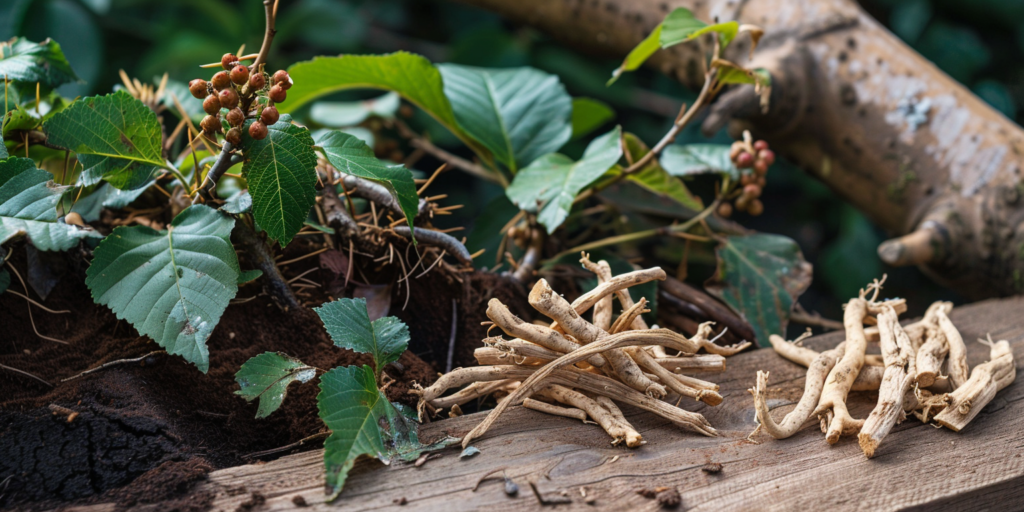
Latin (botanical) name: Eleutherococcus senticosus
Plant family: Araliaceae (ginseng family)
Common names: Eleuthero, Siberian ginseng (traditional name), Devil’s shrub
Traditional use overview:
In Western herbal practice, eleuthero is used as a tonic herb to support stamina, adaptability, and overall vitality. It became especially well known in the mid-20th century through European and Russian herbal research, where it was traditionally used to help the body cope with physical exertion, cold climates, and long-term stress. Unlike stimulating herbs, eleuthero has been valued for promoting balanced energy and recovery.
Herbal Actions
Eleuthero’s actions are broad and supportive, reflecting its traditional role as a tonic.
- Adaptogenic (traditional): Supports the body’s ability to adapt to stress
- Tonic: Encourages long-term vitality and resilience
- Mild immunomodulating (traditional): Used to support immune balance
- Restorative: Traditionally used during recovery from fatigue
These actions are described in Western herbal texts and supported by observational research traditions.
Practical Uses
Eleuthero is traditionally used during times of prolonged demand rather than for acute situations. Herbalists often suggest it during busy work periods, seasonal transitions, or recovery phases when steady energy and focus are needed. It is commonly taken consistently over weeks rather than intermittently.
Product Forms
Eleuthero is available in several traditional and modern preparations:
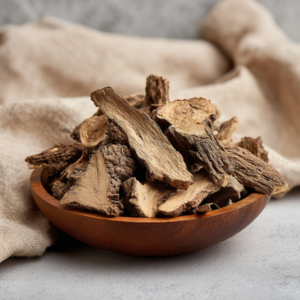
- Dried root: Used for decoctions and long-simmered preparations
- Powdered root: Encapsulated or added to blends
- Capsules: Convenient standardized use
- Tinctures: Alcohol extracts for concentrated dosing
- Fluid extracts: Strong liquid preparations
- Granules or powders: Used in some traditional formulations
Four Traditional Herbal Recipes
- Eleuthero Root Decoction
Dried eleuthero root gently simmered for 20–30 minutes, traditionally taken daily for tonic support. - Adaptogenic Blend
Eleuthero combined with herbs such as schisandra or licorice in a balanced decoction. - Daily Tonic Tincture
Eleuthero tincture taken in small, regular amounts as part of a long-term routine. - Cold-Weather Support Tea
Eleuthero root simmered with warming spices such as cinnamon for seasonal resilience.
Parts Used
- Root: Primary medicinal part
- Rhizome: Occasionally included in preparations
Usage Forms & Shelf Life
Internal vs external use:
Eleuthero is traditionally used internally. External use is uncommon in Western herbal practice.
Common preparations:
Decoctions, tinctures, capsules, powders, and fluid extracts.
Shelf-life ranges:
- Dried root: 3–5 years
- Powdered root: ~2 years
- Tinctures and fluid extracts: 3–5 years
Safety & Considerations and Dosage Guidelines
Eleuthero is traditionally used in moderate, consistent amounts rather than high doses. It is typically taken earlier in the day due to its gently stimulating nature. Long-term use is common in traditional practice, often with periodic breaks.
Side Effects & Contraindications
Eleuthero is generally well tolerated. In sensitive individuals, large amounts may cause restlessness or difficulty sleeping. Traditional guidance suggests caution during periods of acute illness or fever. Individual response varies, as with all tonic herbs.
Active Constituents
Eleutherosides (0.6–1.6%)
- Key compounds: eleutheroside B (syringin), eleutheroside E
- Traditional role: tonic and adaptogenic support
- Best extraction: alcohol tincture or decoction
- Quantitative ranges reported in standardized root preparations
European Medicines Agency
Polysaccharides
- Contribute to immune-supportive traditional use
- Best extraction: decoction
PubMed Central
Lignans and phenylpropanoids
- Support overall tonic activity
- Best extraction: hydroalcoholic preparations
National Center for Biotechnology Information
How It Works
From a traditional perspective, eleuthero works by supporting the body’s baseline capacity to respond to stress rather than targeting a single system. Its constituents are thought to influence energy regulation and recovery processes, helping maintain balance during prolonged demand. Modern research into eleutherosides aligns with this gradual, cumulative effect.
Processing Cautions
Eleuthero root is dense and benefits from slicing before drying. Decoctions should be simmered gently to extract polysaccharides without degrading other compounds. Proper identification is essential due to variability within the Araliaceae family.
Quick Herb Overview
- Botanical family: Araliaceae
- Parts used: Root, rhizome
- Energetics (traditional): Slightly warming, drying
- Taste profile: Bitter, mildly earthy
Herb Identification
Visual traits:
Shrubby plant with thorny stems, palmate leaves, and small clustered flowers.
Growth habit:
Woody deciduous shrub, typically 6–10 feet tall.
Look-alikes and safety notes:
Distinct from true ginseng (Panax species). Accurate identification is important, as effects and constituents differ.
Selecting Quality Herb
High-quality eleuthero root is firm, aromatic, and pale brown internally. Powder should retain a mild earthy scent. Ethically sourced and properly identified material is essential due to increasing market demand.
Natural Growing Areas
Eleuthero is native to northeastern Asia, including Siberia, northern China, Korea, and Japan. It thrives in cool forests and mountainous regions.
Growing Tips
Eleuthero prefers partial shade and well-drained, humus-rich soil. It grows slowly and requires several years before roots are suitable for harvest. Patience is key in cultivation.
Frequently Asked Questions
Is eleuthero the same as ginseng?
No. Eleuthero belongs to the same plant family but is a different genus with distinct traditional uses and constituents.
How long does eleuthero take to work?
Traditionally, eleuthero is used over weeks rather than days, with effects building gradually.
Is eleuthero stimulating?
Eleuthero is considered gently energizing but not stimulating like caffeine.
Can eleuthero be taken daily?
Yes, traditional practice often involves daily use with periodic breaks.
What part of eleuthero is used?
The root is the primary part used in herbal preparations.
Is eleuthero suitable for short-term stress?
It is more commonly used for long-term support rather than immediate effects.
References
European Medicines Agency
PubMed Central
National Center for Biotechnology Information
This article is intended for educational purposes only and reflects traditional herbal knowledge. It does not provide medical advice, diagnosis, or treatment.